Family photo sessions can feel like a lot, for any child, really. But if your child is neurodivergent, the idea of a stranger arriving at your home with a camera, asking everyone to “look natural,” might feel more overwhelming than exciting. You might be wondering whether a professional photography session is even realistic for your family right now. I want you to know: it absolutely can be. With a little preparation, the right approach, and a photographer who genuinely adapts to your child’s needs, these sessions can feel calm, fun, and completely yours.
I also want to be upfront about something: neurodivergent means many different things. Autism, ADHD, sensory processing differences, PDA, dyspraxia, every child is different, and every family’s experience is different. This post isn’t written with one type of child in mind. It’s written for all of you. And the way I approach sessions reflects that, because there is no one-size-fits-all here, and I wouldn’t want there to be.
Why Preparation Makes All the Difference
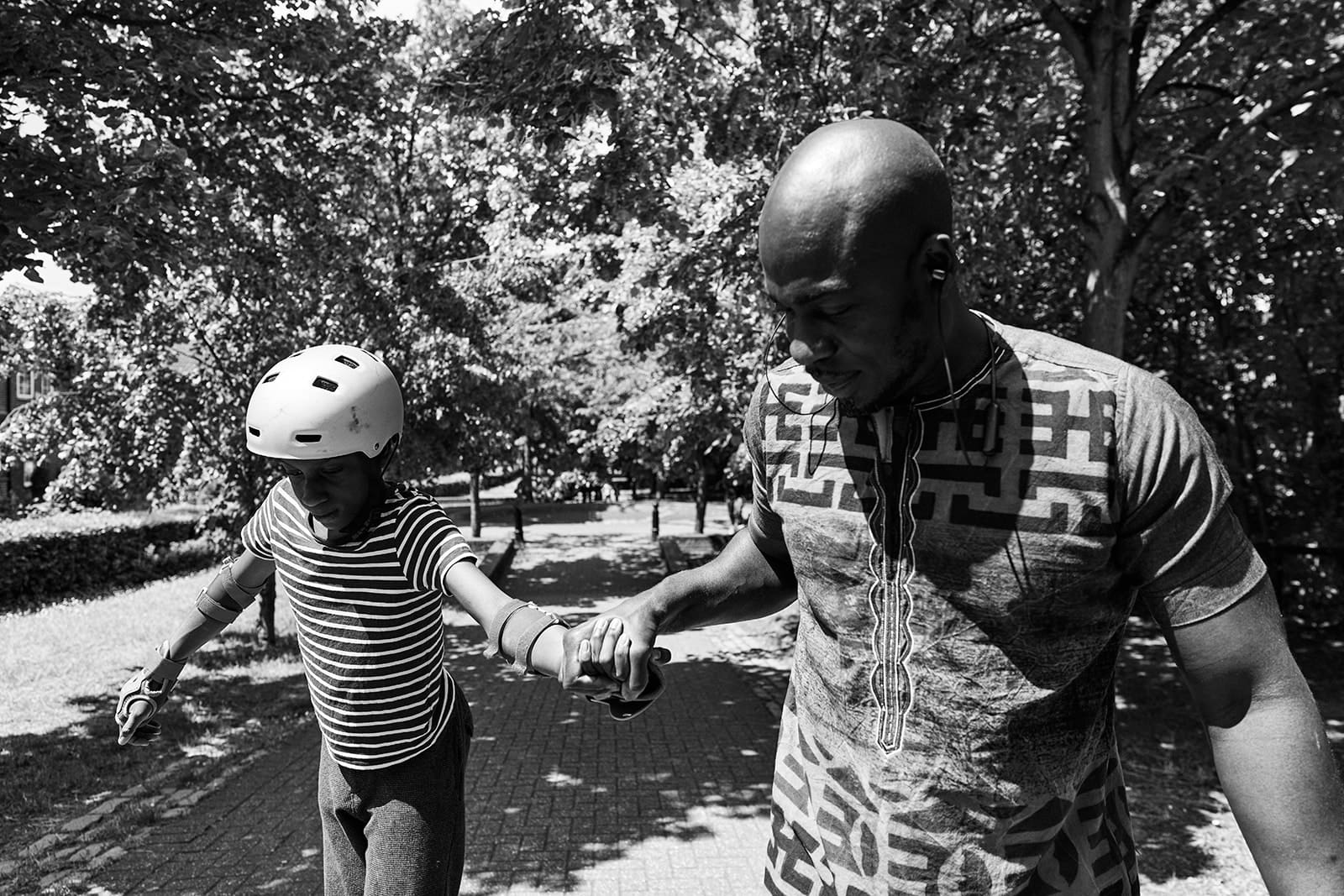
Many children, and especially neurodivergent children, feel more comfortable when they know what to expect. The unknown is often where anxiety lives. So one of the most helpful things you can do before your session is simply talk about it.
Not in a big, serious way. Just weave it into conversation. Let your child know someone is coming to spend time with your family and take some photos. Let them ask questions. Let them feel like they have some say in how the day goes.
If your child is younger, there is a really lovely picture book that I sometimes gift to families alongside their ordered prints. It is called “The Worm Family Has Its Picture Taken“ – a funny and heartwarming story about a young worm named Emma who wants her family’s portrait to look just right. She dresses everyone in wigs and fake teeth, trying to make them look like everyone else’s family. But in the end, the worms remove their costumes and are photographed exactly as they are – and the result is “perfectly perfect.”
It is a beautiful, gentle way to open up a conversation about what a family photo session actually is: not about performing or looking a certain way, but about being seen as you truly are.
Practical Things You Can Do to Help Your Child Feel Ready
Beyond talking about the session in advance, here are a few things that families have found genuinely helpful:
Let them know they can take a break: Tell your child that if they need space from the camera at any point, that’s completely fine. They just need to say so, or you can say it on their behalf, and I will step back, put the camera down, and give everyone room to breathe.
Show them what I look like: I’m happy to send a photo or recorded video of myself so your child can get familiar with my face and voice before I arrive.
Walk through what will happen: A simple, low-key explanation, like ‘someone called Saskia is coming, she’s going to hang out with us and take some photos’, can be enough. You know your child and how much detail helps versus overwhelms.
Plan around their best time of day: I’m flexible about timing. If your child is always more settled in the morning, or after a nap, or after a particular routine, we can work around that.
Keep the day as normal as possible: One of the things that helps most is not making the session feel like a Big Event. If the day feels like a normal day with a friendly visitor, children tend to settle much faster.
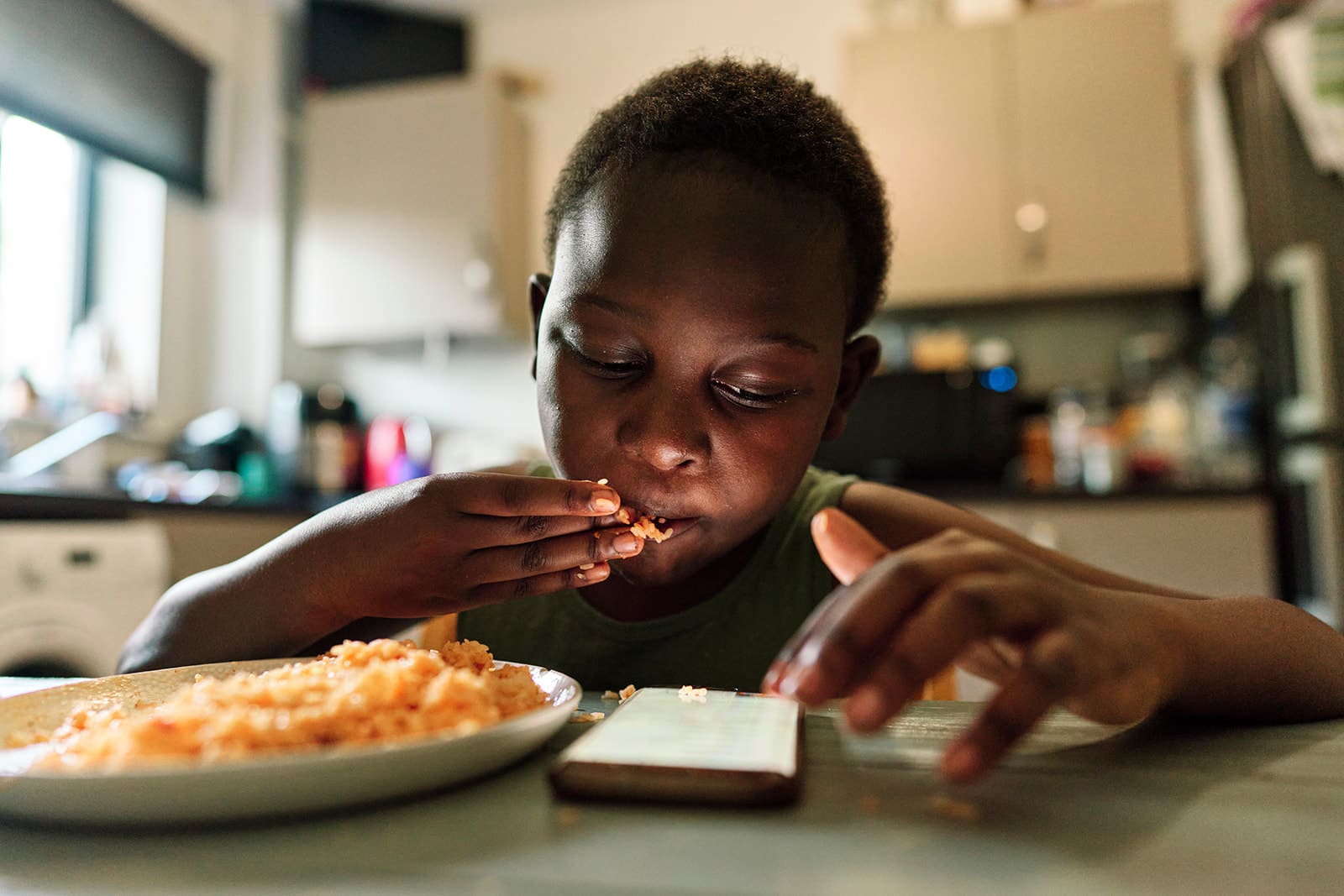
Have comfort items and activities ready: If your child has a favourite toy, activity, or comfort object, have it available. Some of the most beautiful images come from children being completely absorbed in something they love.
Ready to celebrate your family exactly as you are?
How I Get to Know Your Family Before the Session
Before I arrive, I ask every family to fill in a questionnaire. This is where you can share everything that feels important – your child’s routines, what helps them feel settled, what to avoid, anything you want me to keep in mind.
After I have read through your answers, I always follow up with a call. And here is something I want you to know: you are more than welcome to include your children in that call. If your child wants to see who I am before the day, ask me questions, or just get a feel for my voice and face – that is completely encouraged. The more familiar I feel before I even walk through your door, the easier the session tends to go.
This is also the space to tell me what you need to feel comfortable and safe. There are no wrong answers.
Thinking About Sensory Needs Ahead of Time
Sensory differences are one of the most important things to think about, and one of the most individual. What feels fine to one child can be overwhelming for another. Here are some things worth considering before our session, and things I’ll always ask about:
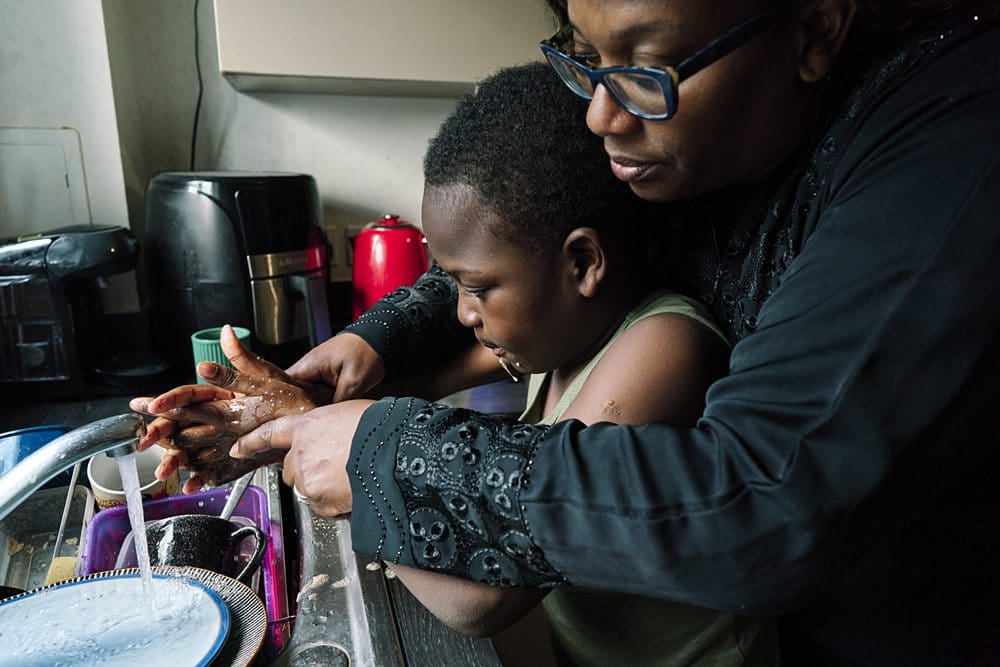
Touch: I never direct children physically. I don’t move anyone into position or touch anyone without explicit permission. Everything is observed and followed, not directed.
Sound: I can switch my camera to silent mode, so there is no shutter sound. If your child is sensitive to noise, this is something we can put in place from the very start.
Light: I never use flash. I work entirely with natural light, which means no sudden bursts of bright light at any point during the session.
Physical proximity: I will naturally move around your space and sometimes come in close to photograph, but if your child needs me to keep my distance, just tell me, and I will adjust completely. I take my cues from the child and from you.
Being watched: Some children find the presence of a camera, or a relative stranger, uncomfortable at first. That’s completely normal. I usually find that within the first twenty or thirty minutes, children are completely okay with my presence.
If there are other sensory considerations specific to your child, textures, smells, temperatures, particular objects or sounds that help them feel settled, tell me in the questionnaire or on our call. The more I know, the better I can prepare.
On the Day: What to Expect From Me
Once I am with your family, my job is to follow your lead – not the other way around.
Here is what that looks like in practice:
- I adapt to your routines. If your child needs to do things in a particular order, or if the session needs to happen around nap time, snack time, or a favourite activity, we work around that. Your routine is not an obstacle – it is part of your family story.
- I am completely fine with breaks. If your child needs space from the camera at any point, just say so. I will step back, put the camera down, and give everyone room to breathe. There is no pressure to keep going.
- I do not pose/touch anyone. My sessions are documentary in style, which means I am watching and photographing what naturally happens – not directing everyone into positions. This takes so much pressure off, for children and adults alike.
- All emotions are welcome. If your child is having a big feeling, that is part of life. I am not here to capture a perfect, polished version of your family. I am here to capture the real one.
- Your home, your comfort zone. Most of my family sessions happen in your own space, which means your child is already in an environment that feels safe and familiar. That makes a real difference.
- Sessions are a flexible three hours: This isn’t a rushed one-hour slot. Three hours gives us real breathing room: time for a slow start, time for breaks, time for the session to find its own rhythm. In all my years of doing this, I have never had a session that didn’t find its footing. And if we ever need a little extra time, I’m flexible about staying longer to make sure we get what your family needs.
Why This Approach Works So Well for Neurodivergent Families
I have written more in depth about this over on my neurodivergent family photography page, but the short version is this: documentary family photography is genuinely well suited to neurodivergent children and families.
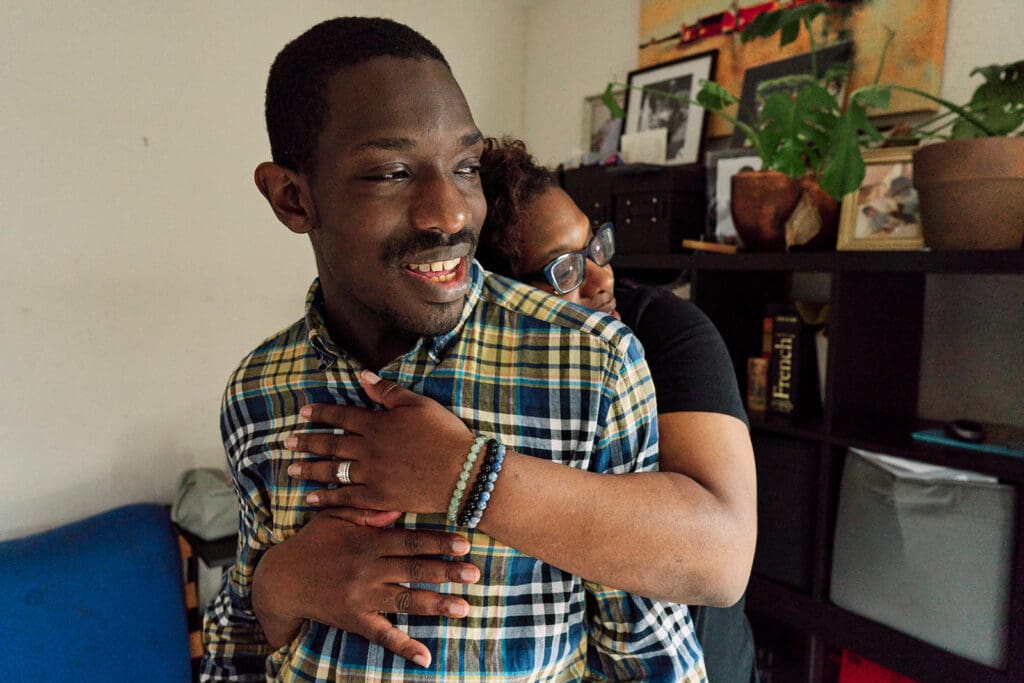
Because I am not asking anyone to perform, there is far less pressure. Because I follow your rhythms rather than imposing a schedule, the session feels more like a regular day than an event. Because I photograph where you feel most at ease, your child is already on familiar ground before we even begin.
Every family I work with is different. That is not a challenge to manage – it is something I genuinely value. The families I photograph are real, layered, beautifully imperfect, and completely worthy of being documented.