A documentary photography case study on “Unplanned, Unprepared, Unwavering,” Kinship’s Care Week 2026 series
When I saw that Kinship was looking for a photographer to document kinship families for Kinship Care Week, I knew straight away that I wanted to put myself forward.
Kinship care is something most people don’t think about until it happens in their own family. And it happened in mine.
When I was a teenager, I lived with my grandparents for a year. I cherish that time so much, and my relationship with my grandfather has been so formative to the person I am today.
So I wrote a proposal in response to Kinship’s brief. It came down to me and an agency they had worked with before. Choosing the agency would have been the safer option for them, so I feel really lucky and grateful that they chose me.
The result is Unplanned, Unprepared, Unwavering: seven families, seven stories, launched for Kinship Care Week 2026.
What is kinship care?
Kinship care is when a child is raised by a relative or family friend because they can’t live with their parents. Kinship carers often have very little warning. Many say yes overnight, and take on the emotional, practical and financial challenges that come with it.
The brief
Kinship is the national charity supporting kinship carers in England and Wales. Their brief asked for a photography project about the moment someone decides to become a kinship carer, and how that decision changes their life.
The photographs needed to do a lot. Support a national media story during Kinship Care Week. Help influence government to give kinship carers more support. Raise awareness of what kinship carers do. And possibly become a public exhibition in 2027.
Kinship asked for a tone that was real, empathetic and honest, without sentimentality.
To me, this brief meant two kinds of images: strong, face-to-camera portraits that work for newspapers, and slower, quieter documentary moments of everyday life that could one day hang on an exhibition wall.
It was also important that the focus stayed on the Kinship carers, while still showing the children at the heart of their decision, in a sensitive and safe way.
Writing your own brief? Here’s how to brief a photographer for your charity campaign.
My approach: showing what comes after
The brief asked a big question: what happens in those minutes, hours and days when someone is asked to make one of the most life-changing decisions imaginable?
In my proposal, my answer was: you show what comes after.
The decision itself is almost invisible. It’s a phone call, a conversation, a moment. But its consequences fill every day afterwards. The grandmother who now packs the school lunchbox. The uncle who has learned to plait hair. The older sister who, overnight, became a kind of parent. Those were the kinds of images I wanted to make.
The thread I wanted running through the whole series was ordinary love under extraordinary pressure. Not idealised, not bleak, but honest. Light where there is light, difficulty where there is difficulty, and the love that holds it all together.
To tell those stories, I photographed in a documentary style, looking out for moments, relationships and emotions and moving between:
- wide shots that show people in their home and surroundings,
- mid shots that show relationships and interaction,
- and close-ups of hands, faces and small details that carry a lot of emotion.
Why documentary, not posed portraits
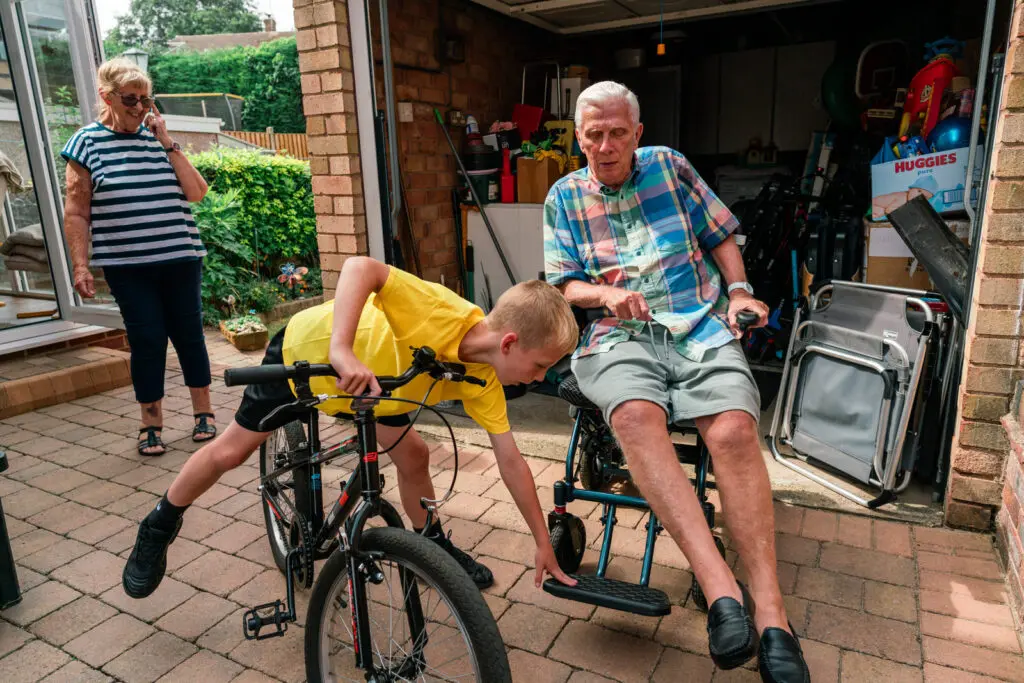
Apart from the face-to-camera portraits, I photographed this project the same way I photograph all my families: candidly, chatting along the way, with no posed smiles. (If you’re not sure what that looks like, I explain it here: what is documentary family photography?)
For most of my clients, documentary photography is a style choice. For this project it felt more like an ethical one.
Kinship families are often dealing with loss, big changes, and a lot of scrutiny that most families never face. The last thing I wanted was to ask them to perform “happy family” for my camera. So I didn’t.
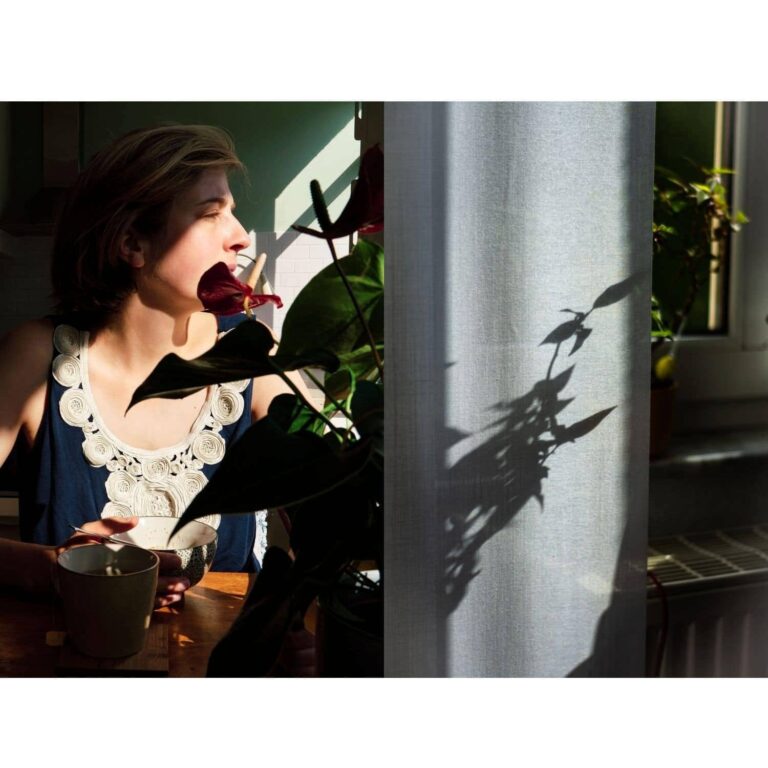
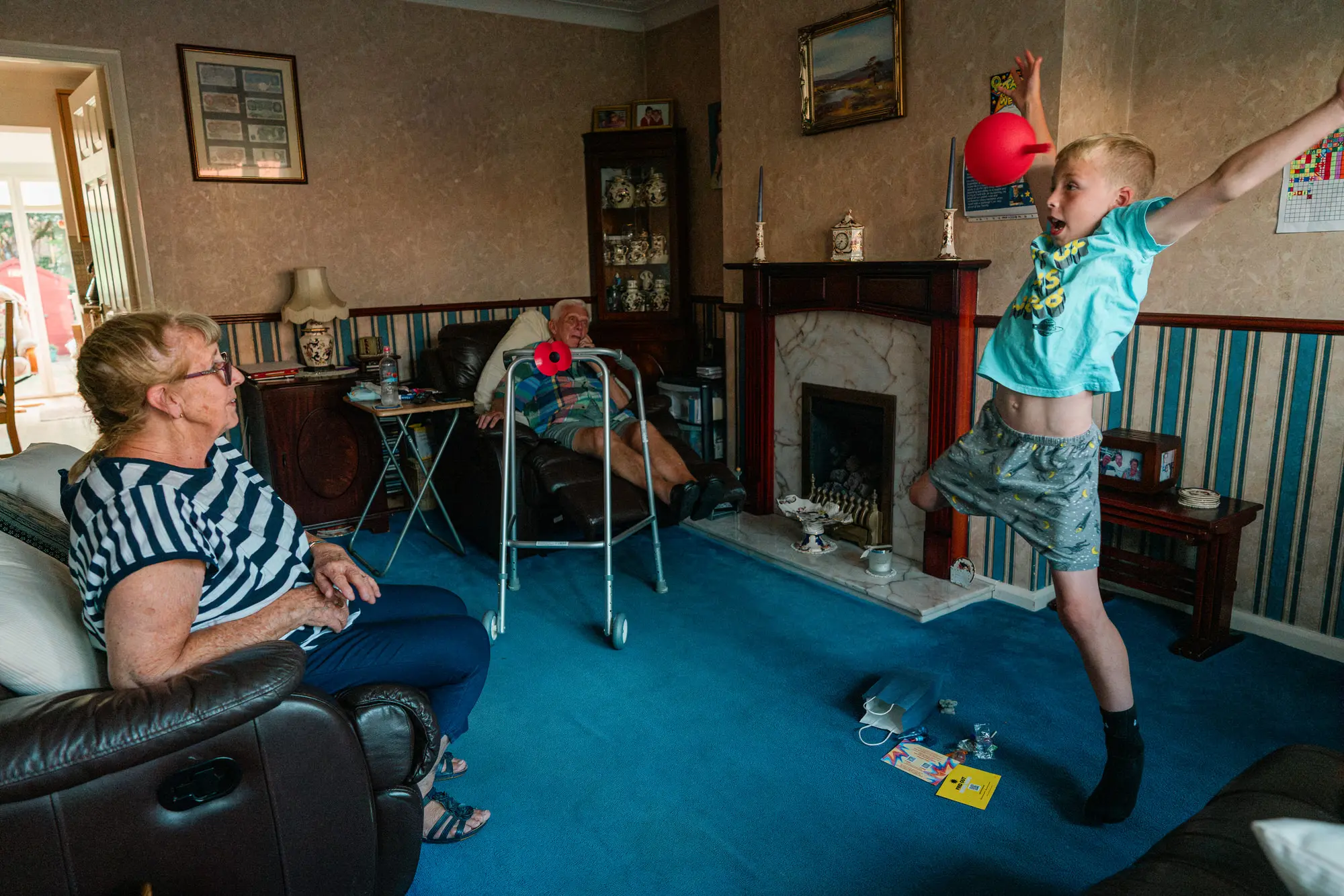
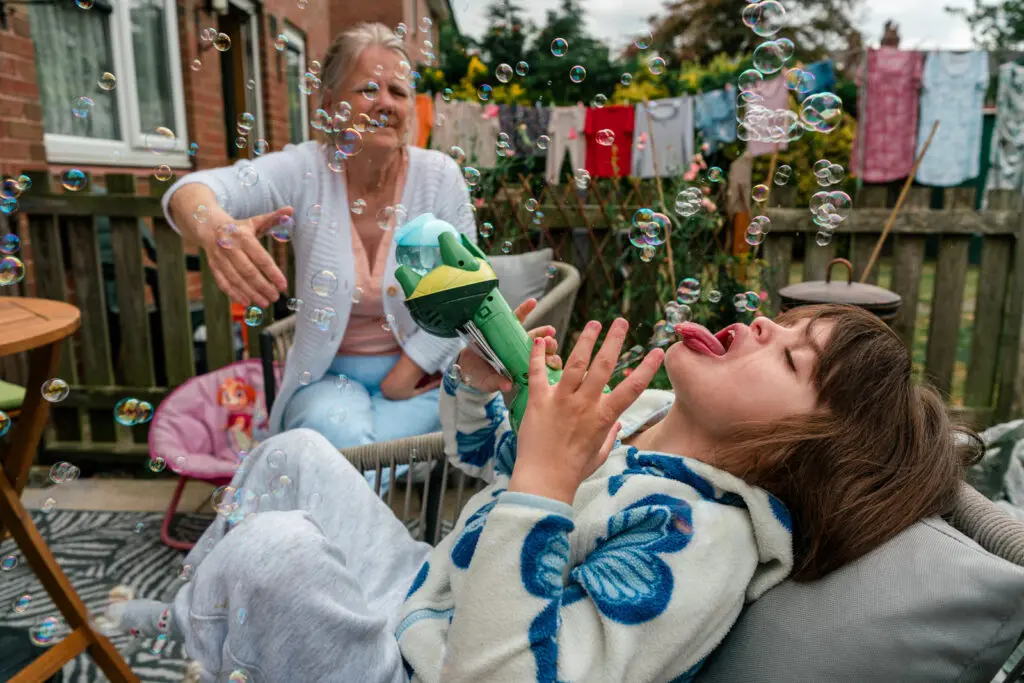
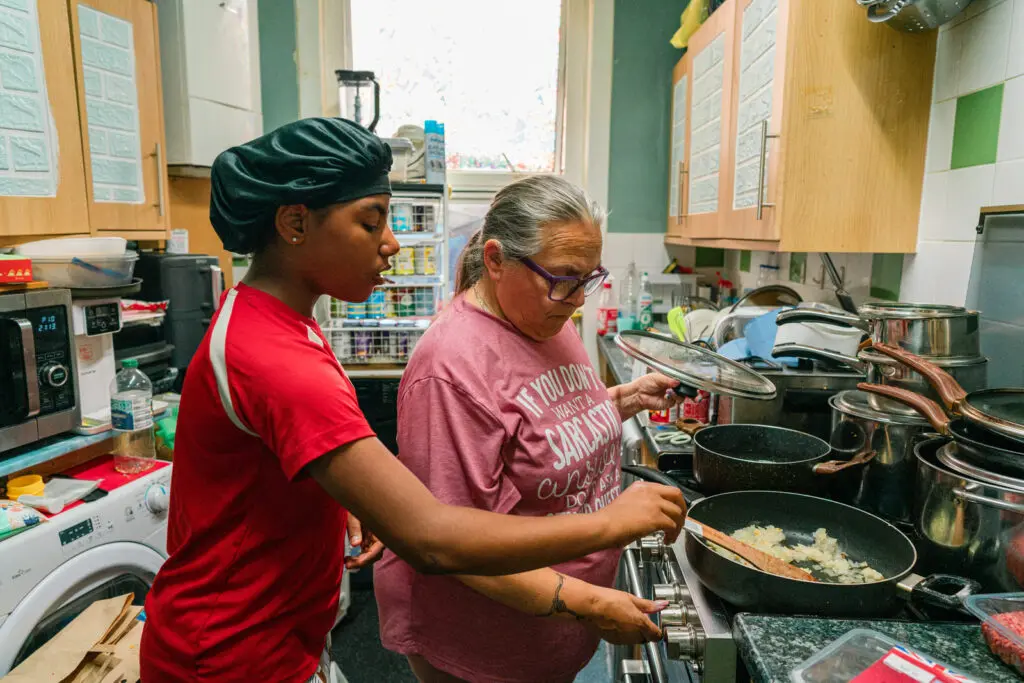
I spent time with each family before I really started photographing, so the day felt like an ordinary afternoon where I just happened to be there. That’s where the real moments come from: the hand of a grandmother on the knee of the grandchild she’s raising, an playful moment between siblings, the small daily rituals like cleaning, dinners, homework, outings etc. And the difficult moments, a child’s anger or a kinship carer’s exhaustion, are part of the story too. They often show the most beautiful things: the patience, the love, the choice to keep going.
Choosing the families and finding each story
I wasn’t just given a list of names. Together with Kinship, I helped choose the families and decide which story we wanted to tell for each one.
Before I visited anyone, I had a long call with every family. I prepared a guide of questions for these calls, covering five areas: their family and how they came together, their relationship with the child, their practical everyday life, their hopes and challenges, and what would make them comfortable on the day. But they were conversations, not interviews. At the top of my guide, I wrote: the most important thing is that the family feels heard.
During those calls, I listened for small details that could become a photograph: a bedtime routine, a weekly outing, a meal they always share. If someone didn’t want to talk about something, I didn’t push. I made a note and respected that boundary. From each conversation, I sketched a rough idea of the story to tell, but that was only ever a starting point. On the day, real life decided what the story was.
Boundaries came up in practical ways too. One family didn’t want me in any of the bedrooms. Knowing that beforehand meant nobody had to feel uncomfortable on the day, and the children kept a safe space they could retreat to whenever they needed it. I absolutely respect every family’s boundaries, and these calls meant I could plan around them before I even arrived.
The calls did so much more than help me plan. It meant I wasn’t a stranger turning up on the doorstep with a camera bag. I already knew if there was anything sensitive I should be aware of. And every family knew what to expect: who would be there, how long it would take, and what would happen with the photos.
Photographing the children
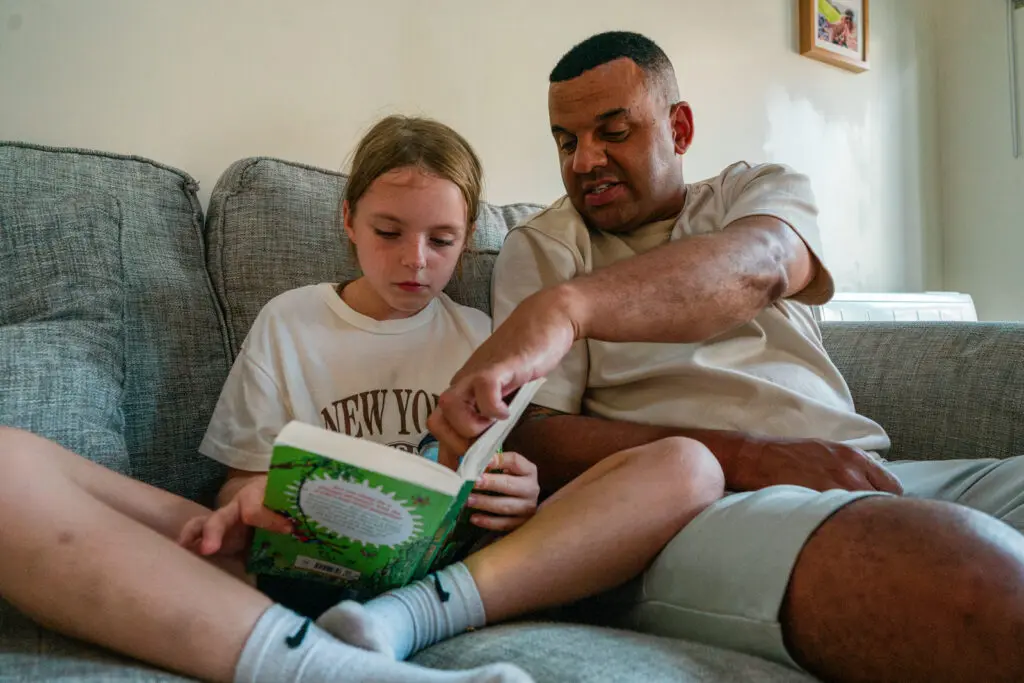
Every family gave permission for their children to be photographed and shown. I don’t take that lightly. For families who have often been through so much, and who can feel so much scrutiny, letting a photographer show their children’s faces is a big act of trust. It meant the photos could show the relationships at the heart of kinship care fully: the way a child sits with their grandfather to read a book, an uncle and his niece jumping on the trampoline.
On the day, I followed the children’s lead, and we had already talked about whether any of them might find it harder. If a child wanted space, they had it. Alongside the faces, I also photographed the small details that carry so much emotion
Seven families, seven realities
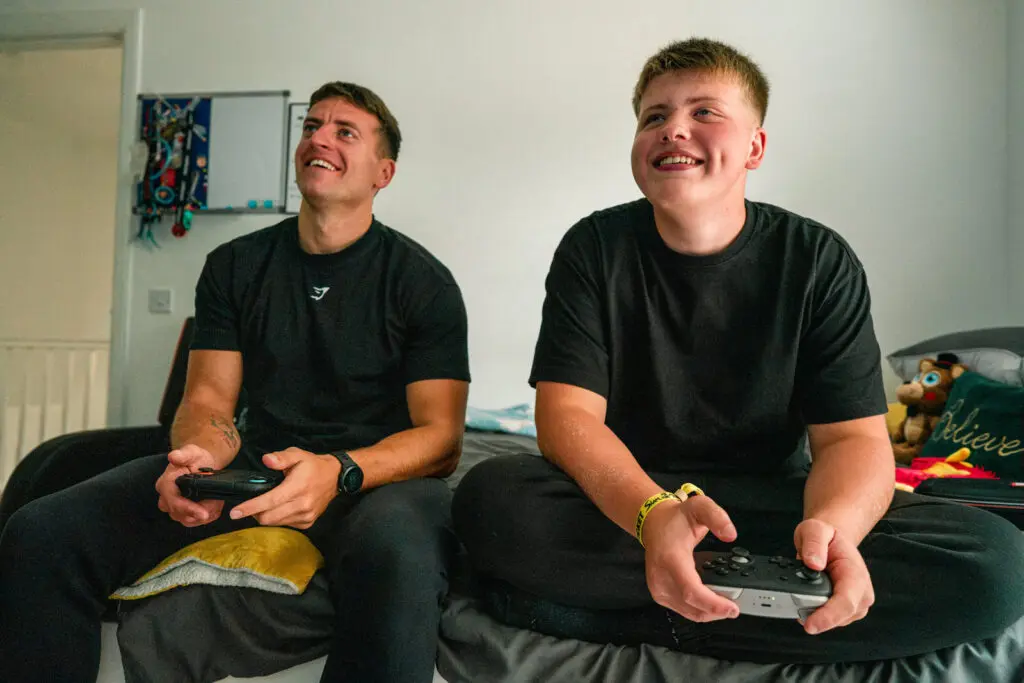
No two families in the series looked the same. Some kinship carers had stepped in for a niece or nephew, others for a grandchild or a sibling. What they shared wasn’t the shape of their family. It was the way they had taken on a huge, unplanned change and just kept going. Not without struggle, but always putting the child first.
The sessions took place in different parts of the country, from London to Leeds, Chesterfield and Glasgow, and each one was shaped around the family’s own routine. They lasted anywhere from about three to eight hours. Some families welcomed me for a full day in their life, from breakfast to bedtime; others had a shorter visit focused on a couple of moments we had agreed on together. Both worked, because the point was never to make the families fit a template. It was to show each of them as they really are.
What it took behind the scenes
From the outside, documentary photography can look like the easy part of the job: you turn up, you’re present, you photograph what happens. But a project with seven families, a charity partner and a fixed Kinship Care Week launch needs a lot of planning and admin that you never see in the photos.
The timeline. In May and June, we shaped the creative approach and chose the families; the shoots happened over the summer, and all the images had to be delivered by 1 September, in time for the media launch in October.
Working around seven families. Every family has its own rhythm, and none of them exist to fit around a photographer’s schedule. Some sessions had to move at short notice because of work, holidays, family emergencies or a kinship carer’s other commitments. Some families needed more time before they felt ready to have someone in their home. Building in that flexibility from the start is what made it work.
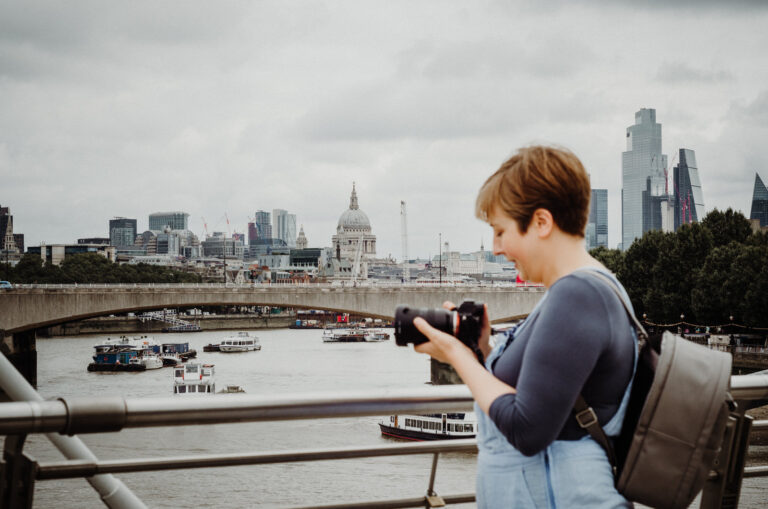
Getting there without a car. I don’t drive. I’ve built my whole business around public transport, and for local shoots that’s never a problem. But a project across the UK turns it into a real planning job: train times, connections, and enough time either side of each shoot. When a family lived too far for a day trip, I booked accommodation, always around the family’s availability rather than mine. Arriving on time and relaxed, not stressed about a missed train, means I can give each family my full attention.
Delivering the images. Every gallery had to be edited and narrowed down from a lot more photos than anyone will ever see, then delivered in the formats Kinship needed:
- Both low-resolution and full-resolution files of every image, for social media, review, and press-ready use in newspapers and magazines.
- Proper captions on the images for the newspaper articles, saying who is in each photo.
Staying in step with Kinship. We had regular check-ins, I flagged things as soon as they came up, and I was honest whenever something needed more time.
Everything else. Preparing my kit for homes and light I’d never seen. Keeping receipts for travel, accommodation and editing software organised for invoicing. And fitting it all around the rest of my business, because my other clients and enquiries didn’t stop just because this project was happening.
None of this shows in the finished photographs, and it shouldn’t. But it’s the reason the photography itself could be calm and unhurried. Everything around it was taken care of, so nobody in front of the camera had to think about any of it.

Consent, trust, and staying in control of their own story
Kinship managed the consent and safeguarding process with each family, and I worked within their safeguarding framework. (For example identifying details, like a school or names visible in the background, were removed). But for me, consent isn’t just a signature on a form. It’s a say all the way through.
I always work in a trauma-informed way: I follow the lead of the person I’m photographing, I never push for images someone isn’t comfortable with, and I’m open about how the photos will be used. So I checked in with each family again after they’d seen their gallery. Some images were taken out at that stage, by their requests. Some families ended up with smaller final galleries because of this, and I kept track of each family’s wishes separately, so nothing got mixed up between seven households.
That never felt like a compromise. To me, it’s simply part of photographing people ethically. (I write more about how I build trust in the power of connection in charity photography and filmmaking, and about consent and safeguarding in my ethical charity photography guide.)
What this project meant to me, and why it matters
I’ve photographed many families over the years, but this project is different. Being let into someone’s home during a chapter of their life that most people never see is a real privilege. And because I understand a small part of it myself, it felt even more personal. In every home I visited, I recognised something: a family that had rebuilt itself faster than anyone could have prepared for, and was simply getting on with loving each other.
Kinship carers hold families together in situations that are rarely easy and almost never seen. Most receive little or no financial or practical support. Photography can’t change that on its own. But people care more when they have a real person to connect a story to, instead of hearing “kinship care” as a policy term or a statistic. Photographs that show someone’s relationships, their struggles and joys, their real emotions and personality, give people that connection. That’s what documentary photography is for: not to make life look perfect, but to show it as it really is, and for other to be able to relate and connect with them..
The response
When the Kinship team first saw the finished galleries, it wasn’t a polite thank-you. Some of them told me the photos moved them to tears, seeing these families’ lives shown so honestly. That reaction has stayed with me more than anything else, because it tells me the images did what they were meant to do.
Kinship’s biggest goals this year was national media coverage, and a feature in The Guardian in particular. And it happened! ‘You have 10 minutes to decide’: answering the life-changing call to become a kinship carer was published on 4 October 2026, during Kinship Care Week, illustrated with my photographs. I hope more coverage will follow.
And as a thank-you to the families, each one will receive a photo book of their own images. It’s a small way to give something back for the trust they showed us.
See more of my charity photography and filmmaking.