Have you ever looked at your own work so many times that you stop really seeing it? I know that feeling well. When you’re deep in editing, culling, and delivering galleries, it’s easy to lose perspective on what your images actually communicate to the people looking at them. That’s exactly why what I’m sharing in this post stopped me in my tracks and genuinely made me reflect on what I’m creating and why it matters.



The Challenge: Seeing Your Own Work Clearly
As photographers, we are often our own harshest critics, and sometimes our own biggest blind spots. We know what we intended when we pressed the shutter. We know the story behind the moment. But the person viewing the image? They come to it fresh, with no context, no preconceptions.
So what do they actually see?
This question sat with me for a while. And then I found an answer through a creative exercise that I want to tell you about.

The Exercise That Changed How I Talk About My Work
Family photographer and educator Anna Hardy created a peer review challenge for photographers. The idea was simple but powerful: share 20 of your images with fellow photographers, and ask them to write down the words that come to mind when they look at your work – no prompts, no guidance, no context from you.
I took part, and I shared my images. Other photographers did the same with theirs. Then we reviewed each other’s work and responded with our honest, instinctive reactions.
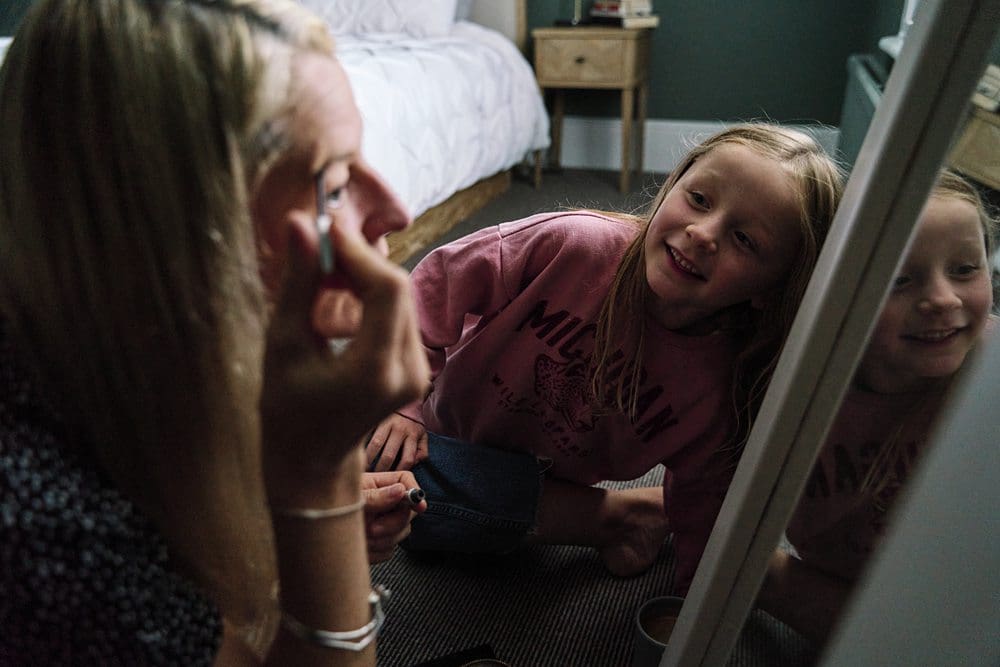
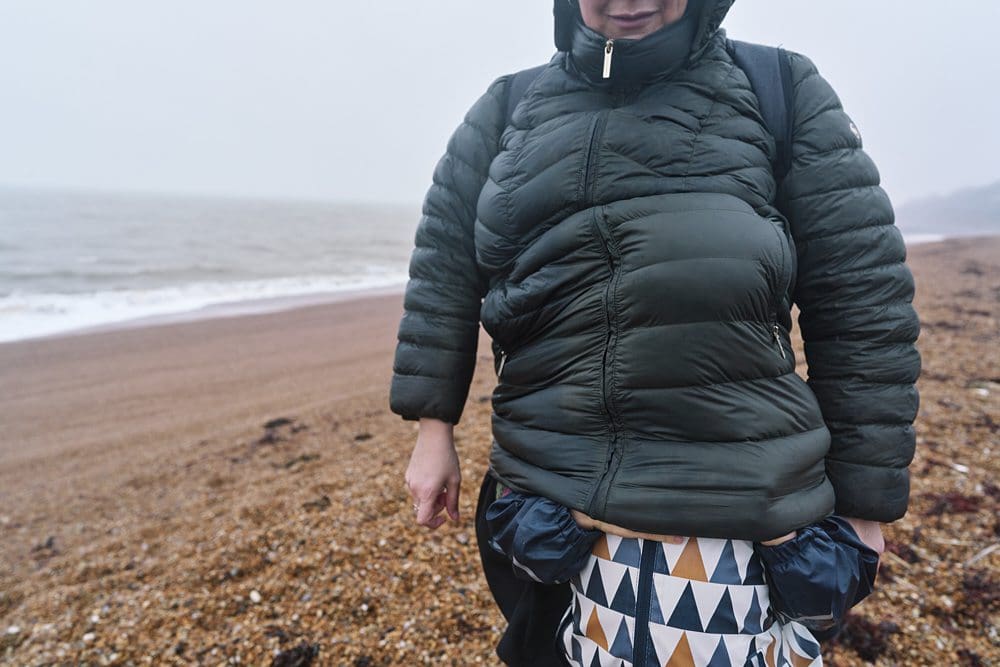
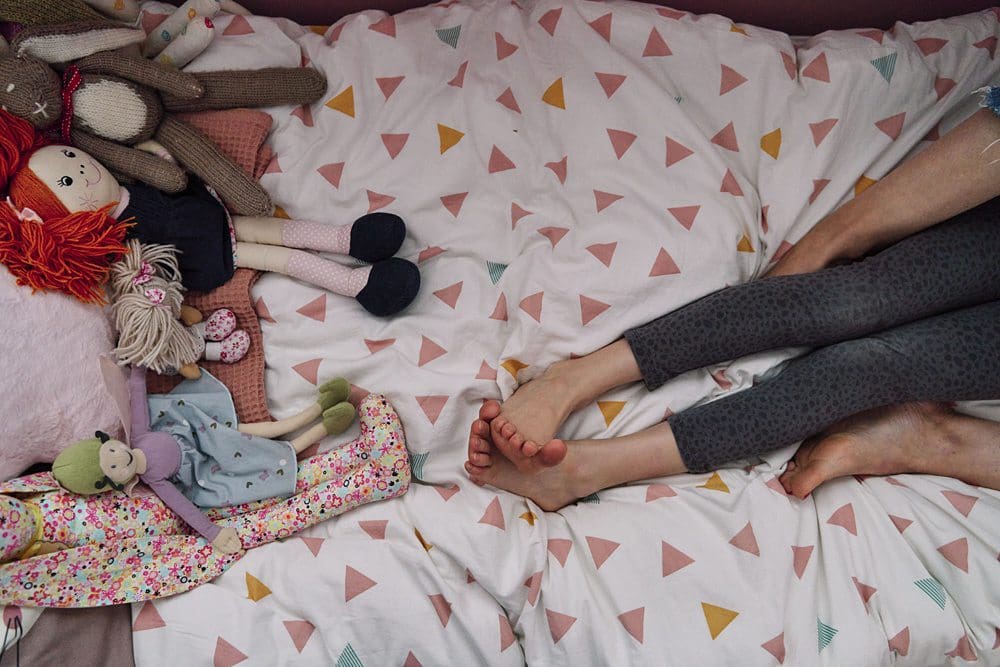
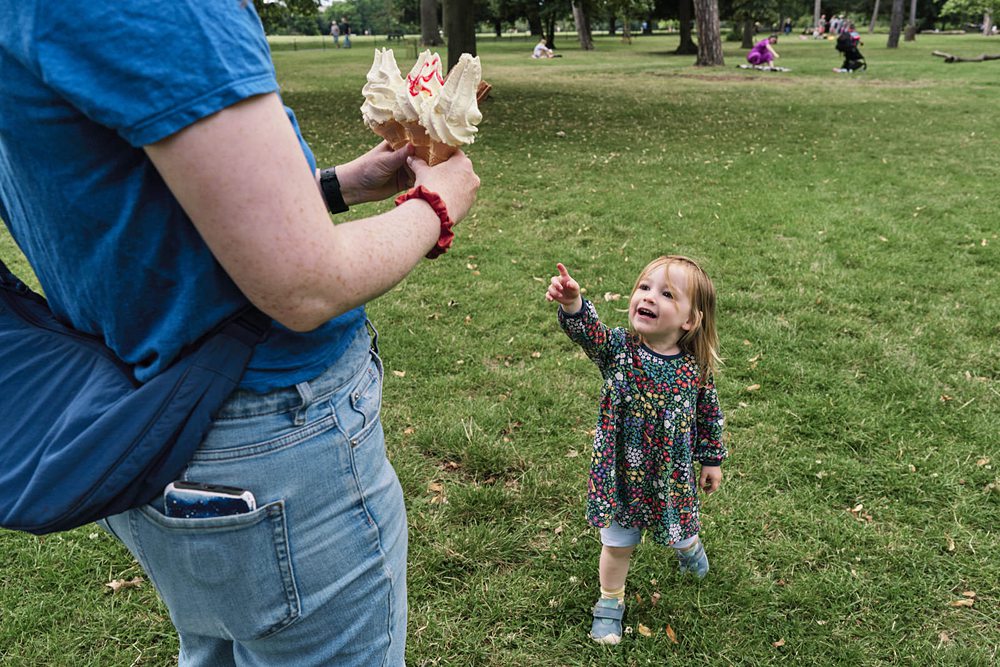
When my results came back, these are what people said about my photography:
- Documentary (mentioned 5 times)
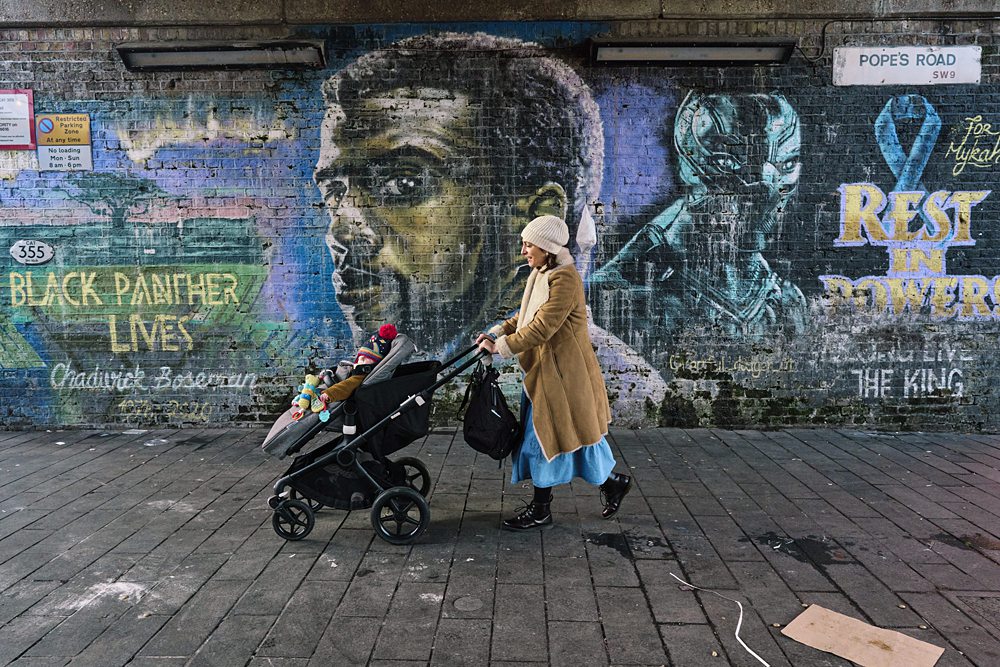
- Real / real life (mentioned 5 times)
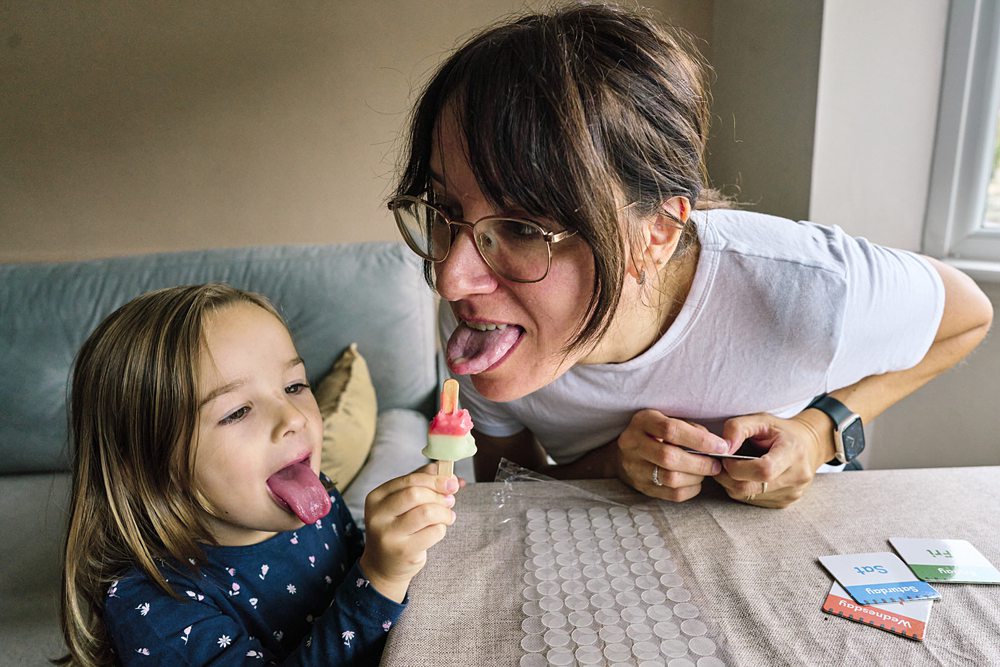
- Fun (mentioned 3 times)
- Storytelling (mentioned twice)
- Joyful (mentioned twice)
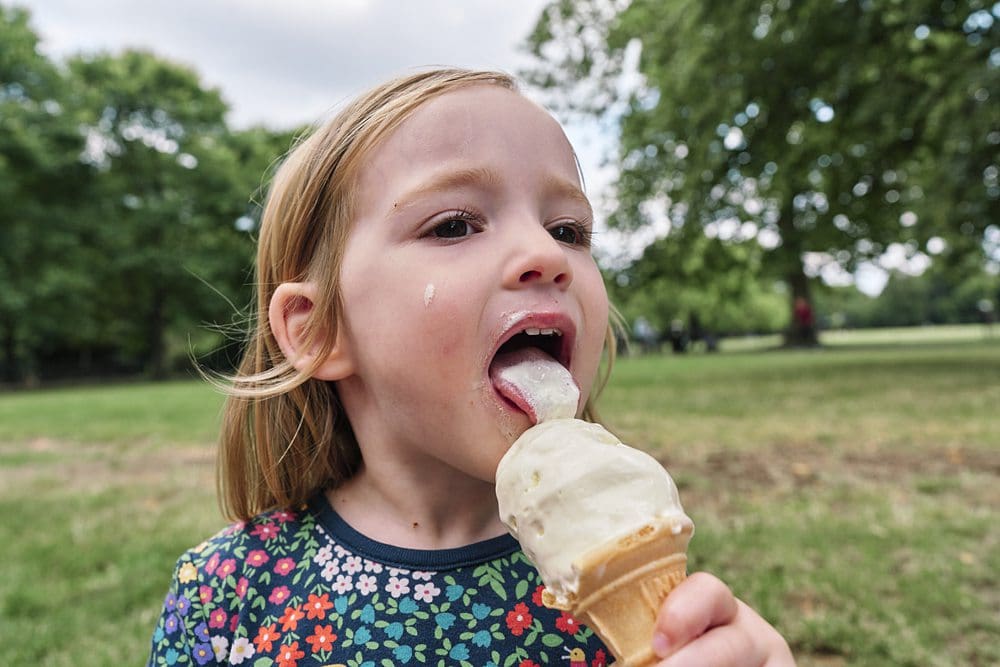
- Homely, Spontaneous, Connected, Rich, Bold, Playful, Thought-provoking, Authentic, Candid, Vibrant, Cool-toned, Filmic, Moody, Dramatic compositions, Intimate, Kind
I sat with that list for a good while.

What the Words Revealed
Were these what I expected? Mostly, yes, and that felt reassuring rather than surprising. But a few words made me stop and think.
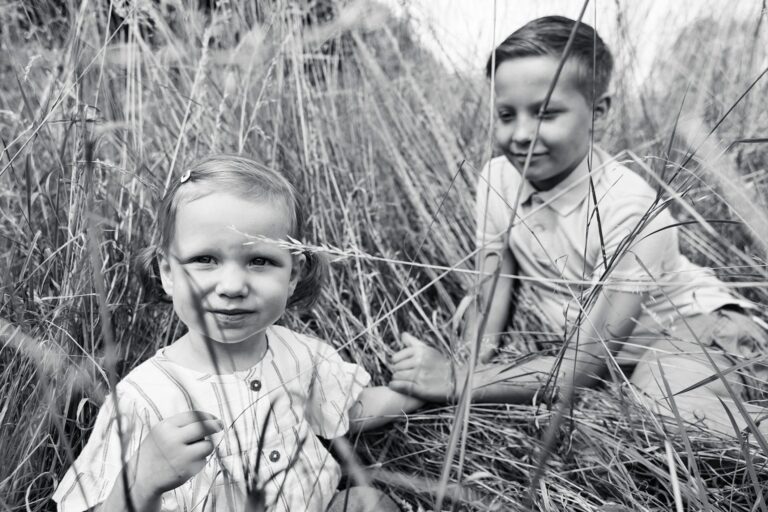
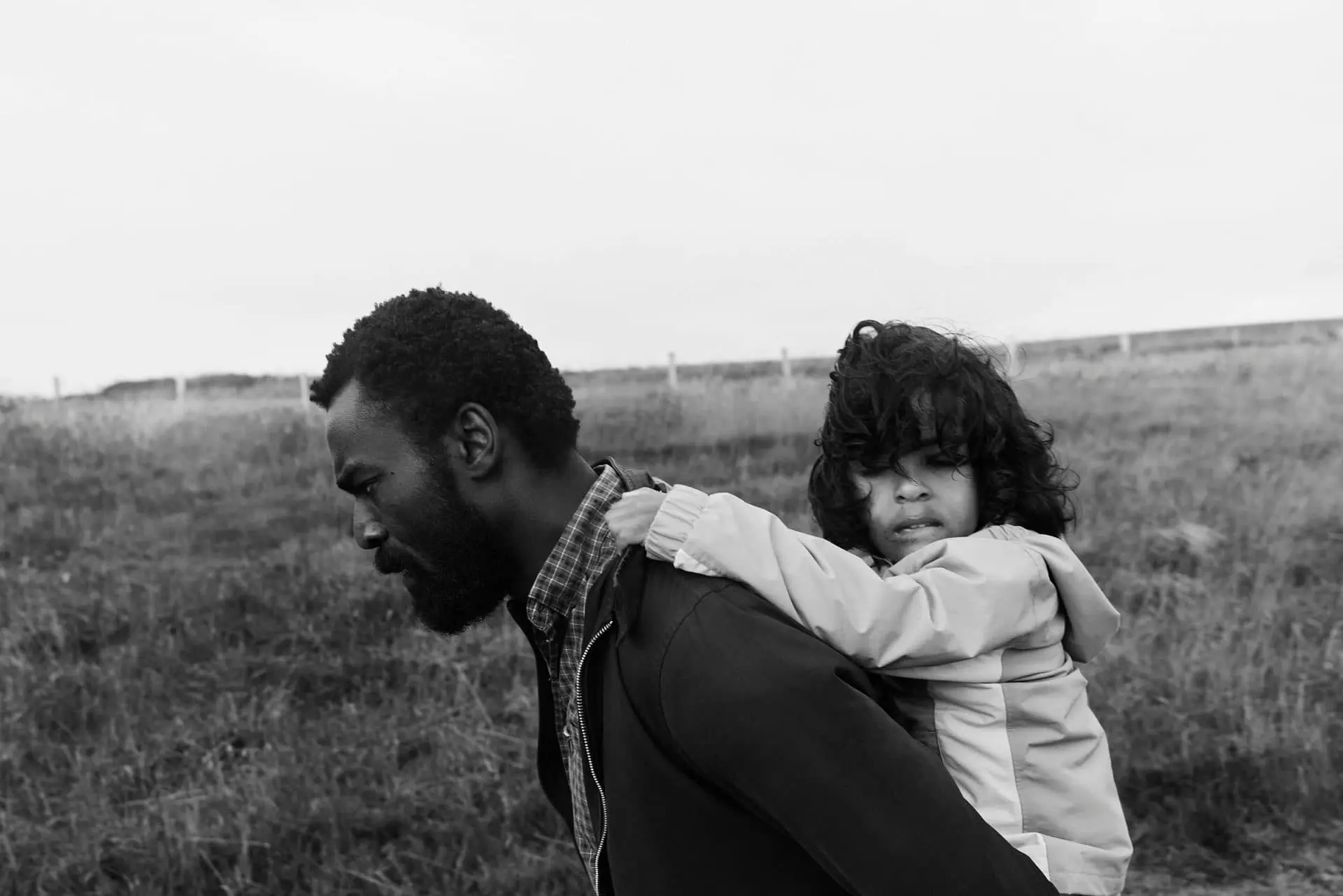
Documentary and Real life coming up five times each confirmed that what I care most about in my sessions, prioritising what’s actually happening over what looks ‘nice’, is coming through clearly in the work. That matters to me, as it’s my whole point.
Storytelling resonated immediately. I came to photography through documentary filmmaking, and that love of human stories has never left. When I’m in a session, I’m always asking myself: what is happening here, and how do I capture it in a way that’s clear, even to someone who wasn’t there? I notice a moment first, a relationship, an emotion, something unfolding between people, and then I think about light and composition to best serve that moment. It’s an active, considered process, not just pointing a camera at life. The story is already there. My job is to find the clearest way to tell it.
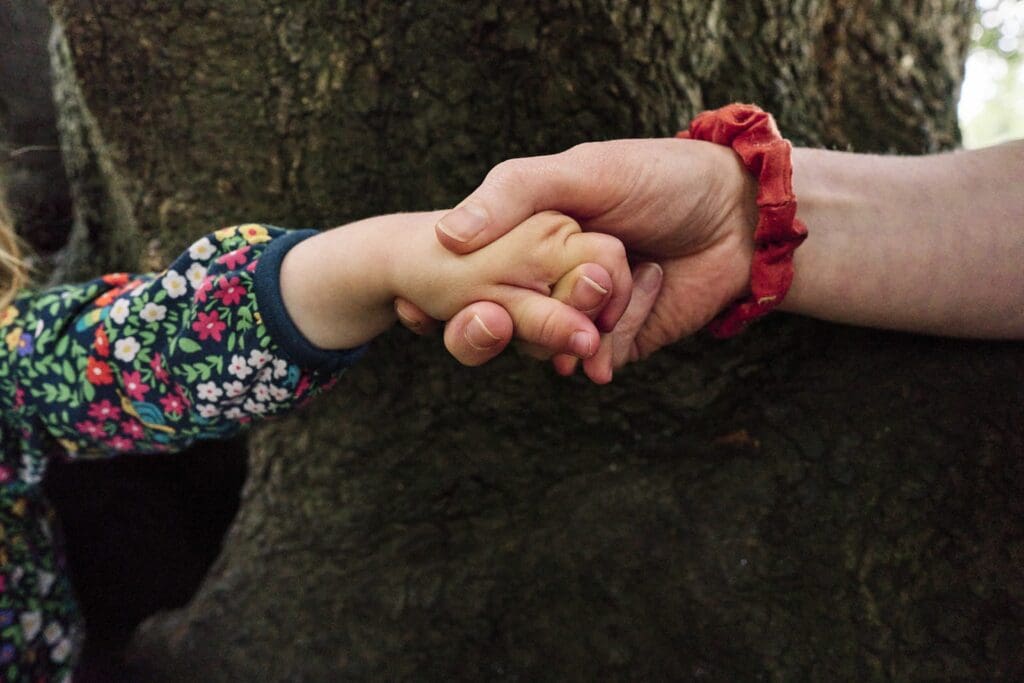
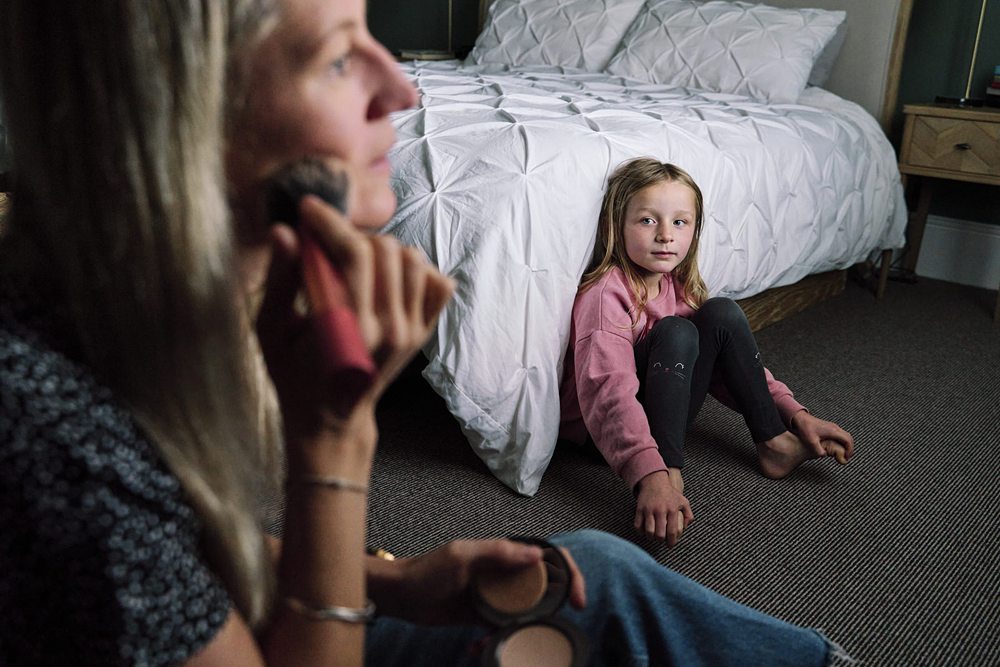
Connected and Intimate were the ones that moved me most. Connection is genuinely at the heart of everything I do. I love photographing relationships, the way people are with each other, the unguarded gestures, the looks that happen between people when they forget I’m in the room. That’s what I’m seeking out. That’s what makes an image mean something.
Joyful and Fun came up too, and I want to be honest about what those mean in my work. Joy is an emotion I love to photograph; it’s abundant in families, and it’s one of the most vivid things an image can hold. But I don’t go into a session trying to create a particular feeling or steer families towards one. I’m simply there to witness what’s real. Joy happens because it’s already in those families, not because I’ve manufactured it.
Ready to celebrate your family exactly as you are?

The Words That Surprised Me Most
Filmic, I liked immediately. My background in documentary filmmaking clearly shows up in my images more than I’d consciously acknowledged, in the compositions, the light, the sense of a frame that’s telling something rather than simply recording it. That’s something I want to lean into more intentionally.
Moody was the one I had to sit with the longest.
At first, I wasn’t sure it felt like me. But the more I thought about it, the more I understood where it came from. I photograph all emotions, not just the easy, bright ones. Anger, sadness, frustration, tenderness in difficult moments: these are part of real family life, and I don’t shy away from them. If a child is upset, I don’t put the camera down. If a parent is exhausted, I don’t wait for them to smile. Real life is the full spectrum, and ‘moody’ might just be what that looks like to someone who expected only sunshine.
I’ve made peace with that. In fact, I think it might be one of the more honest things someone said about my work.

Why This Kind of Reflection Matters
Here’s what this exercise gave me that I didn’t expect: permission.
Permission to own the words that others see in my work. Permission to describe myself with confidence, rather than second-guessing whether my style is “defined” enough. Permission to stop underselling what comes naturally to me.
Anna Hardy’s prompt asked us to consider whether we might have strengths we take for granted – things that come so naturally that we don’t recognise them as qualities worth naming. I think that’s true for many creative people. The things that feel effortless to you are often the things other people notice first.
For me, that seems to be the ability to create a feeling of genuine connection and warmth in images, even in documentary-style work that isn’t staged or directed. That’s not something I manufacture. It comes from truly caring about the people in front of my camera and giving the session my full presence and attention.
A Note to Photographers Reading This
If you’ve never done a peer review exercise, I’d encourage you to try something like it. Whether it’s a formal challenge like the one Anna created, or simply asking a few trusted colleagues to look at a selection of your images and respond honestly, the insight is worth it. Seeing your work through someone else’s eyes is one of the most useful things you can do for your creative development.
It is easy to stay in your own head about your work. Getting outside perspectives is how you grow. And sometimes, the word that surprises you most is the one that turns out to be the most true.