There’s a place for all kinds of photography in charity communications. Portraits, events, staff headshots — these all have their role. But when you need imagery that carries a story, that makes someone feel the reality of your work rather than just understand it, documentary photography does something different. This post is about what that looks like in practice, and why it matters.
What is documentary photography for charities?
Documentary photography captures real people and real moments as they happen, without posing or staging. For charities, it means photographing the people your work supports, your staff and your volunteers in their real surroundings, so your images show the honest, human reality of your impact.
Why Documentary Photography
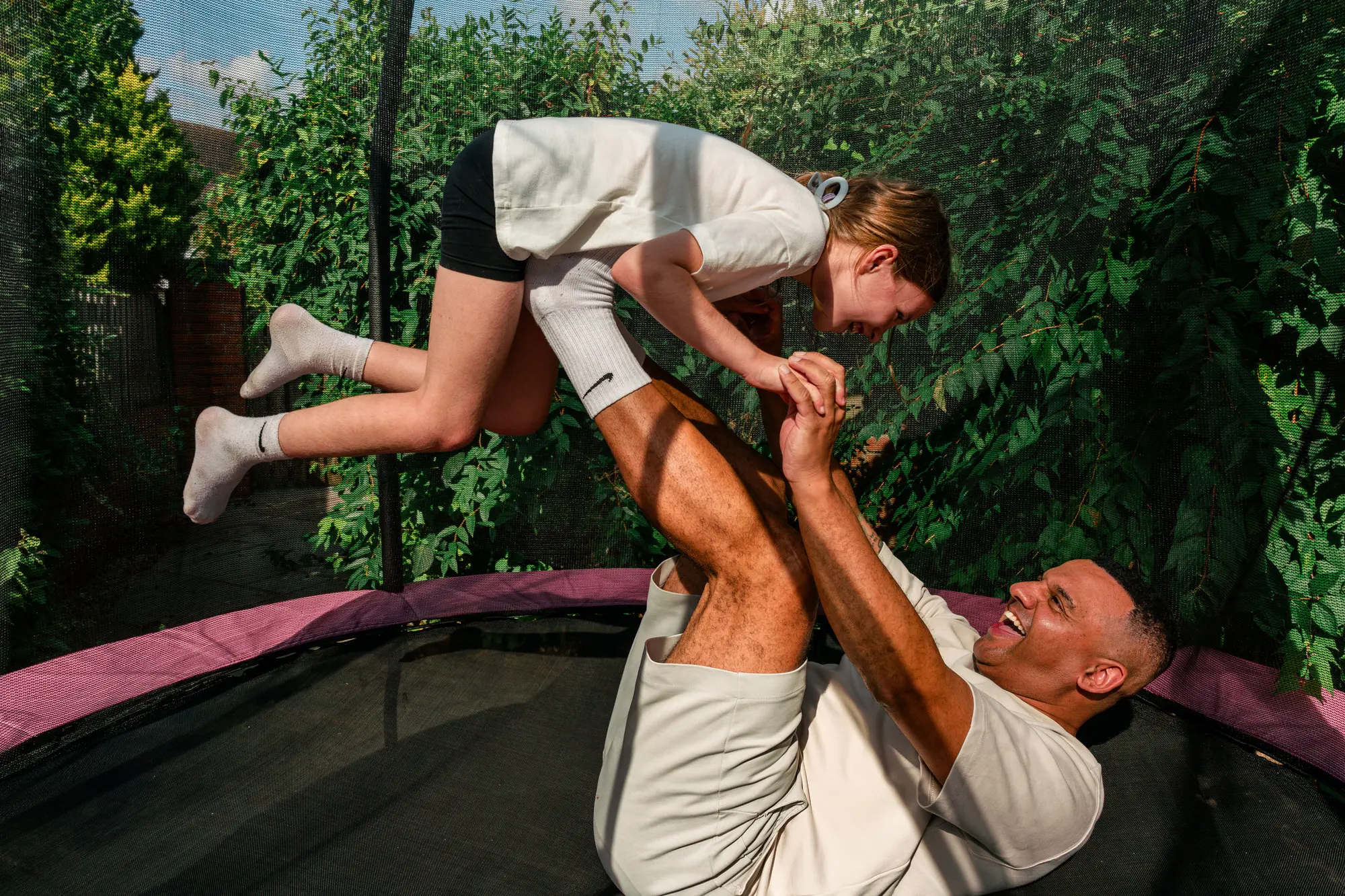
Real life is more interesting than a posed version of it. The unguarded moment, the real laugh, the quiet connection between two people who trust each other: you can’t arrange those. You can only notice them. And that’s my job.
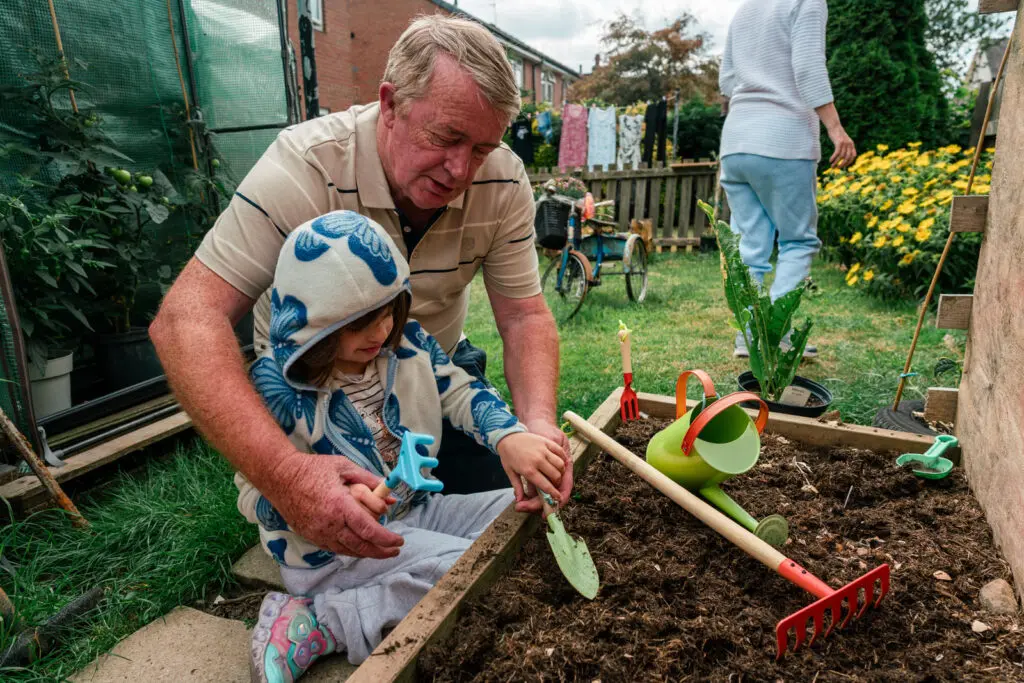
What “documentary” means in practice
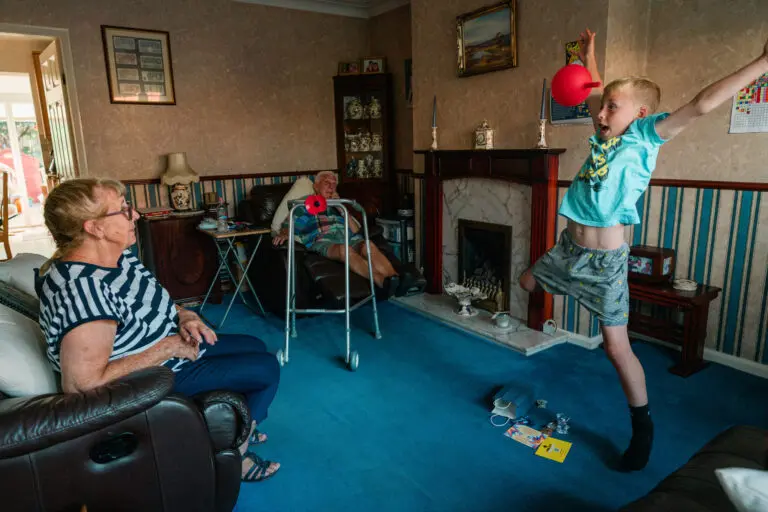
Documentary photography is candid rather than directed. I don’t ask people to pose or to hold a smile. Instead, I spend time with them in a real setting and photograph what’s actually happening: conversations, routines and small moments as they unfold.
My approach is led by conversation, not instructions. Before I really start photographing, I spend time with people. I ask questions, I listen, and I pay close attention to how they’re feeling and whether they’re truly comfortable, not just whether they’ve signed a consent form. A session works best when it stops feeling like a photoshoot and starts feeling like an ordinary hour that I just happen to be part of. That’s where relaxed, unposed images come from: not from technical tricks, but from people forgetting the camera is there.
The result is images that feel observed rather than created. For a charity, that’s not just a style choice. It’s often closer to the truth you’re trying to tell.
Sometimes I work with models, for briefs where it isn’t safe or appropriate to photograph the real people a charity supports. But whenever it’s possible and right, I’ll always choose to photograph the actual people whose lives your work touches. You can see that authenticity in the images, and it matters.
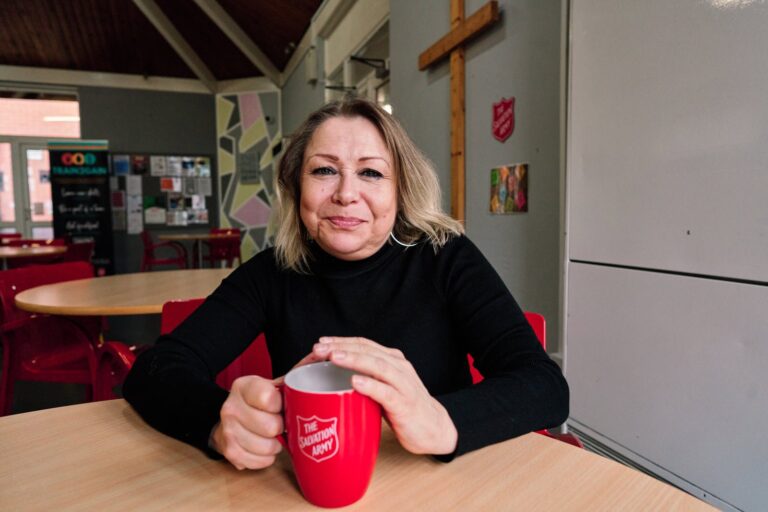
I also make documentary films for charities, using the same approach. You can see an example in Victoria’s story for The Salvation Army.
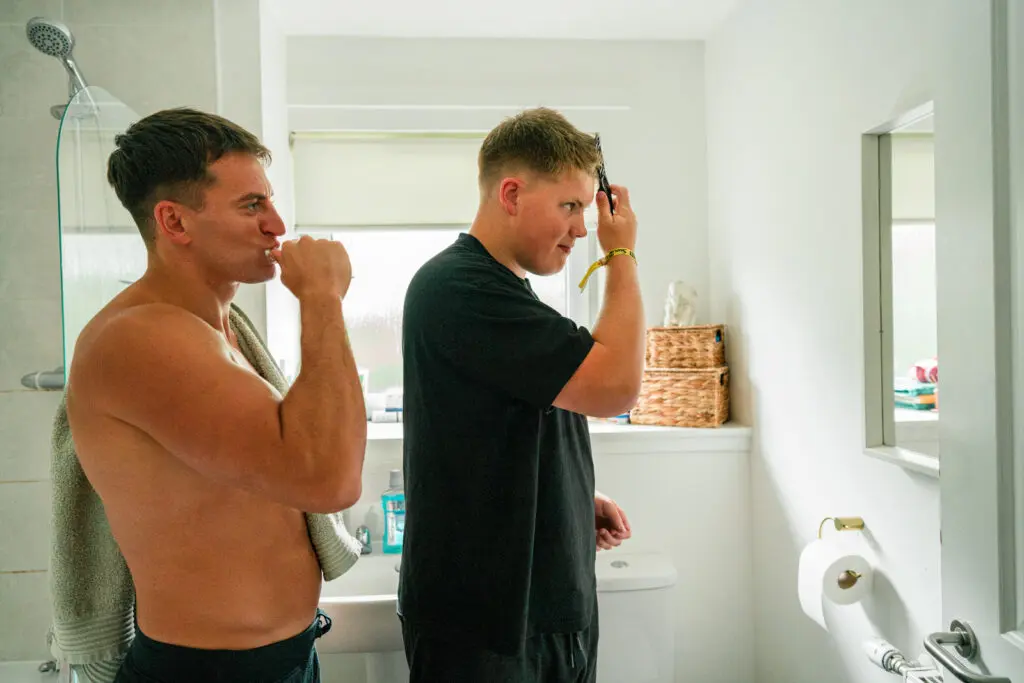
Where This Kind of Photography Works Best
Documentary photography is flexible enough to support a wide range of organisational needs. Here’s where it tends to have the most impact:
Impact reports and annual reviews — where a genuine sense of who your work reaches matters more than polish.
Fundraising campaigns built around real stories rather than illustrative or composite imagery.
Social media content that needs to feel human and unscripted — the kind people actually stop scrolling for.
Case studies and long-form storytelling — website features, press pieces, or partnership pitches where the story needs to hold up under scrutiny.
Awareness weeks and campaign launches — a strong, honest image set can carry a whole week of content across social, press, and email.
Internal communications that help staff, trustees, and funders see the human reality behind the numbers.
Doing This Ethically — the Part That Actually Takes the Most Work
Documentary photography with vulnerable people, families in difficult circumstances, or anyone going through a sensitive time in their life isn’t just a style choice. It comes with real responsibility.
My background in documentary filmmaking and cultural anthropology has shaped how I think about this. The strongest stories are the ones people tell in their own words and on their own terms. And representation is never neutral: who holds the camera, whose stories are told, and how they’re framed all matter.
In practice, good ethical practice means:
- Ongoing consent. Real choice all the way through, including the right to withdraw or ask for changes afterwards. Not a form signed once, but a relationship.
- Building trust before the camera comes out. I try never to be the stranger who turns up and starts shooting. The first conversation, whether it’s a phone call or a cup of tea before we begin, matters as much as anything that follows.
- Involving people from the start. Not just telling them a photographer is coming, but explaining what the images are for and where they’ll appear, and asking if they have any worries. People should be part of telling their own story, not find out about it afterwards.
- Care with identifying details. Locations, backgrounds and anything that could affect someone’s safety or privacy.
- Careful captions, using people’s own words wherever possible rather than language imposed from outside.
I’ve written a fuller guide for comms teams here: Ethical charity photography & film: a guide for UK comms teams.
A real example: working with Kinship
I recently completed a documentary photography project for Kinship, the national charity supporting kinship carers: grandparents, aunts, uncles, siblings and family friends raising children who can’t live with their parents.
This project is close to my heart, because I lived with my grandparents for a year as a teenager. I understand a little of what these families carry: the love, the complexity, and the way kinship carers simply show up.
For the series, Unplanned, Unprepared, Unwavering, I photographed seven families across the UK, spending between three and eight hours with each one. Before that, I had long phone calls with every family to learn about their lives and their stories. So by the time I arrived with my camera, we already had a relationship. That groundwork is what makes the difference between images that feel observed and images that feel taken.
Every family had a say before the shoot and again after they’d seen their gallery. Every request, like removing an identifying detail or taking out an image, was respected, even when that meant a smaller final gallery.
When the Kinship team first saw the finished galleries, several of them were moved to tears. And the images went on to illustrate a feature in The Guardian during Kinship Care Week.
You can read the full story behind the project in my case study: Photographing kinship families for Kinship Care Week.
What Charity Teams Often Get Wrong
In my experience, what makes the biggest difference to documentary photography for charities isn’t budget or access. It’s time, process and expectations.
- Give it enough time. A rushed documentary session ends up looking posed. Trust needs time to build, so if you want real, unguarded images, the schedule needs to allow for it.
- Involve people from the start. The people being photographed should understand what the images are for and where they’ll appear, and have a real chance to shape how they’re shown.
- Choose quality over quantity. A few strong images are almost always more powerful than lots of average ones. One photo that makes a funder feel something will do more work than fifty that don’t.
- Let the images speak. It’s tempting to caption everything heavily and tell people what to feel. Strong documentary images often work best with fewer words, and when words are needed, use the person’s own.
Planning a campaign? Here’s how to brief a photographer for your charity campaign, with a free template.
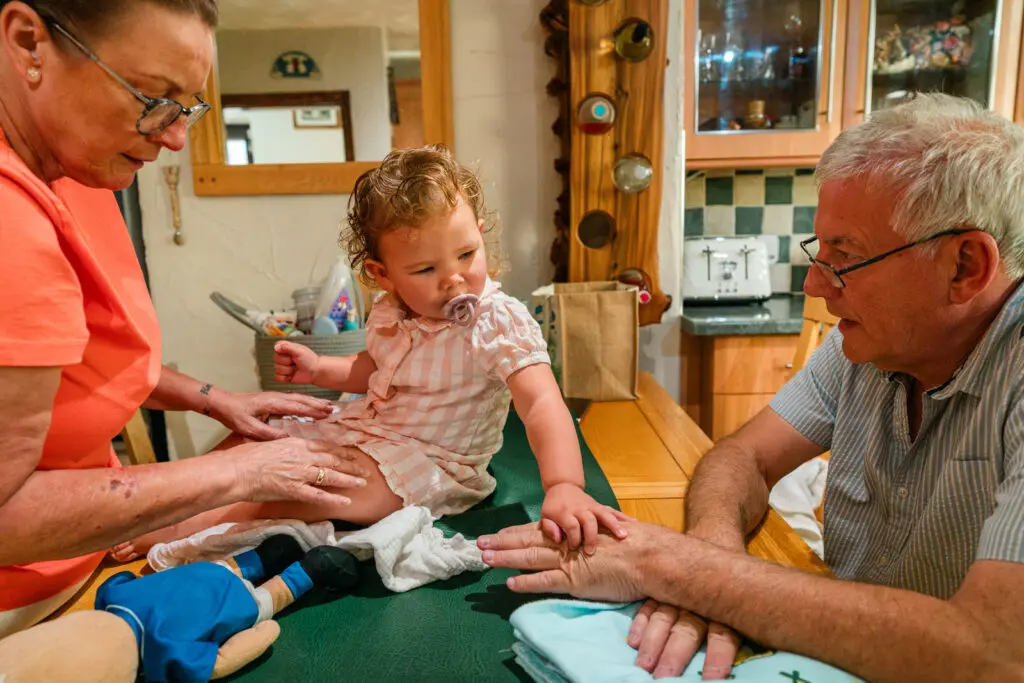
I’ve written more about building real connection with the people you photograph in the power of connection in charity photography and filmmaking.
You can find out more about how I work with charities on my charity photography and film page, and more about my background and approach on my about page, or get in touch. I’d love to hear about your project.