
Charity budgets are tight, and every pound has to count. So it’s fair to ask whether a professional photographer or filmmaker is really worth it, especially when stock photos and AI images are so quick and cheap. Here’s my view on it.
Real people build trust, and stock or AI images don’t
Most people can spot a stock photo straight away. And when they do, they tend to trust the story a little less.
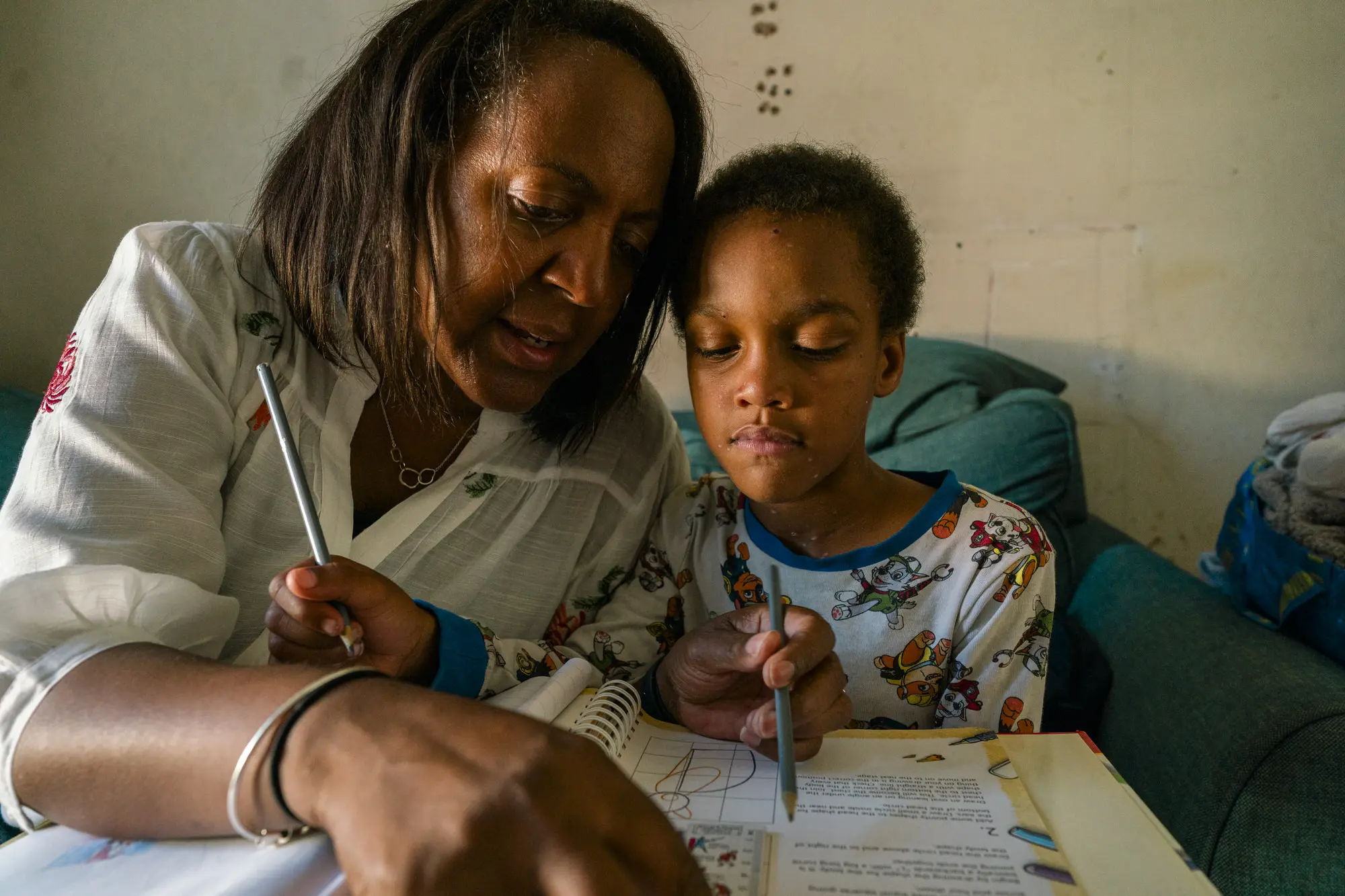
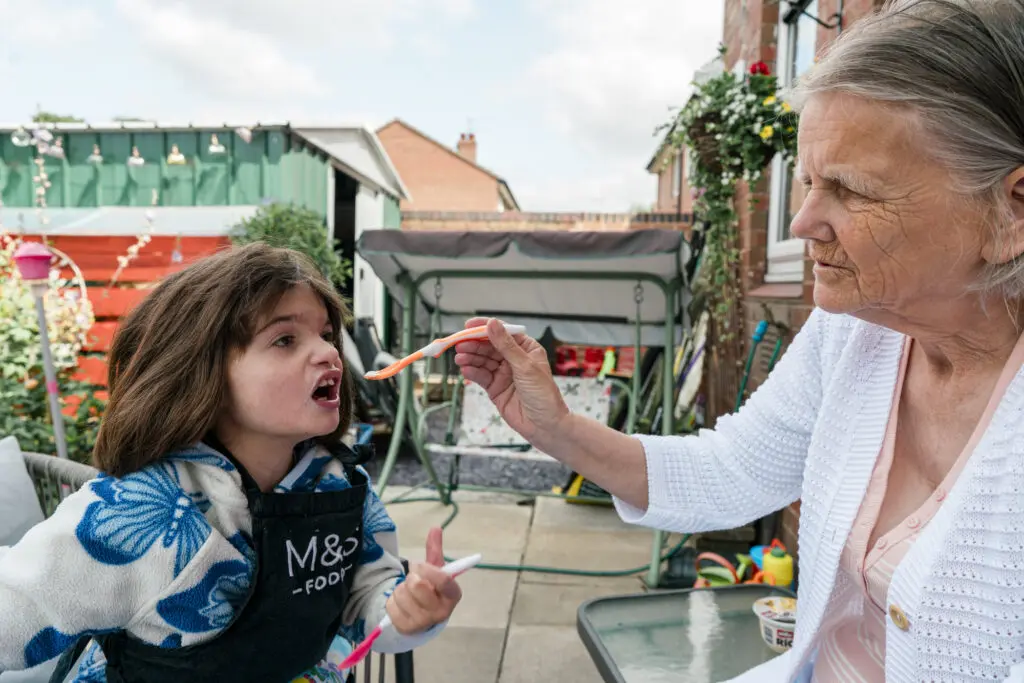
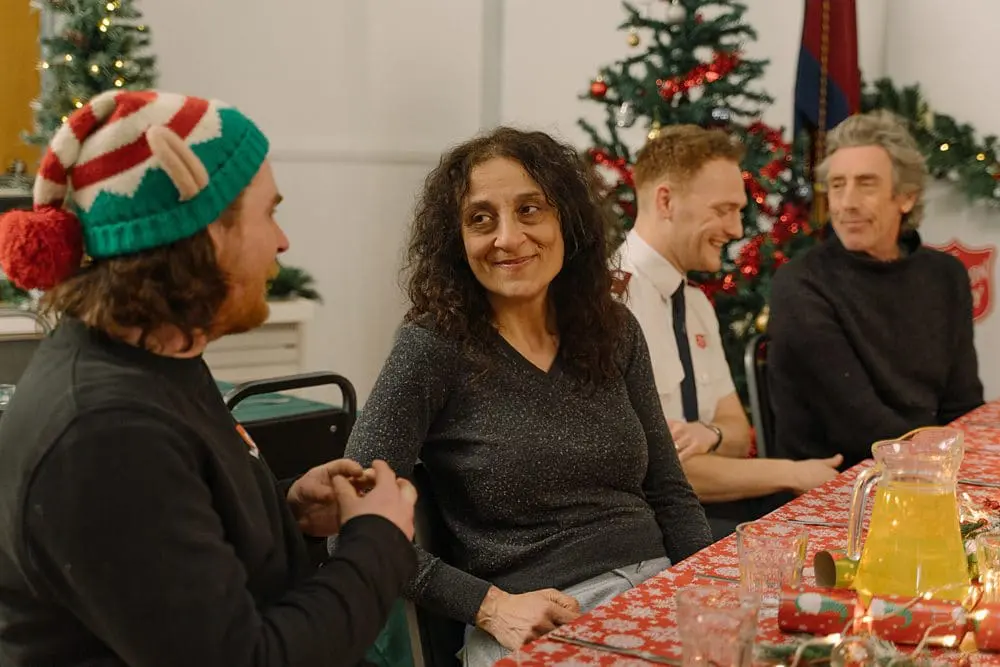
Photos of the real people your charity supports, your staff and your volunteers do the opposite. They show that your work is real, and that the people in your story exist. That’s what makes someone stop scrolling, read on, and act.
What about AI-generated images?
AI is here to stay, and I understand that more charities will use it in the future, especially when budgets are tight. Used thoughtfully, it can be a useful tool, for example, for a background graphic, an illustration of an idea, or a concept image for a campaign that hasn’t happened yet.
But when it comes to showing the people your charity supports, AI images come with real risks:
- They’re not real. An AI image of a family or a volunteer shows someone who doesn’t exist. If your supporters find out, it can make them question everything else you share.
- People are getting better at spotting them. Odd hands, too-perfect faces and a strange, glossy feel often give them away.
- They can’t show your real impact. Donors and funders want to see the difference you actually make, not an imagined version of it.
- They can reinforce stereotypes. AI learns from existing images, so it can easily repeat the clichés charities have worked hard to move away from. Careful, well-informed prompts can reduce this, but it takes real knowledge of the people and issues involved to get right.
When some charities have used AI images to show real issues, it has caused a backlash, because people felt misled. So if you do use AI, be open about it. A simple label such as “AI-generated illustration” keeps your supporters’ trust. And save real photographs, made with consent, for the moments that matter most: showing that your stories and the people in them are true.
If the people you support can’t be photographed safely, honest alternatives that don’t involve AI exist, and working with models is often the best option.
When working with models is the right choice
Photographing the real people your charity supports isn’t always the right choice. Sometimes it could put them at risk, or ask too much of them at a difficult time. In those cases, working with models can be the more ethical option, not a compromise.
Models can be the right choice when:
- someone’s safety depends on staying anonymous, for example, if they’ve left an abusive relationship or were victims of slavery.
- children can’t legally or safely be identified, such as some children in care
- the moment you need to show is too private or painful to photograph for real
- the people involved would be retraumatised by reliving their story for the camera
- you need a specific scene for a campaign that can’t happen naturally
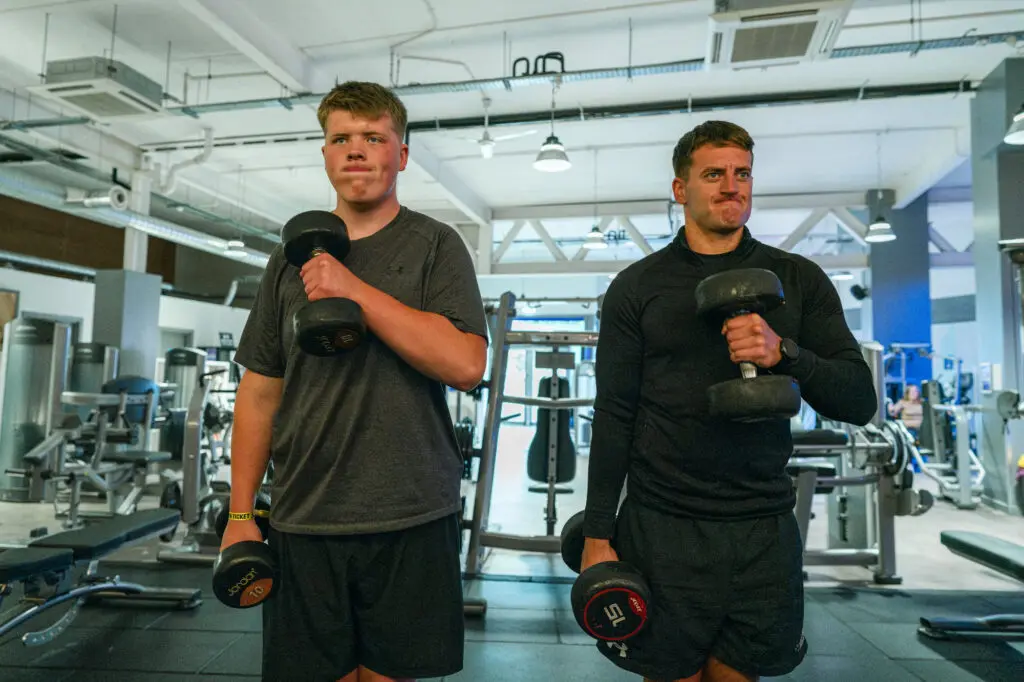
Unlike AI images, models are real people who have chosen to take part and know exactly how their images will be used. When it’s done well, it can still feel honest. Where possible, I like to work with people who have lived experience of the issue, and to keep the same relaxed, documentary approach, so the images feel real rather than staged.
The key is being transparent. A simple line such as “Posed by models” or “Names and images changed to protect identities” keeps your supporters’ trust while protecting the people you work with.
I sometimes work with models for exactly these reasons. But whenever it’s safe and right, I’ll always choose to photograph the real people whose lives your work touches.
One shoot can work for months
A well-planned shoot doesn’t just give you images for one campaign. It can give you an image library for:
- your annual report and impact review
- social media for weeks or months
- your website and case studies
- funding bids and partner presentations
- press releases and media features
- newsletters and fundraising appeals
Spread across a year, the cost per use is often much lower than it first looks.
Press-ready images open doors
Journalists need strong, high-resolution images, often quickly. When Kinship launched Kinship Care Week 2026, my photographs illustrated a feature in The Guardian. Having press-ready images, with the right captions and consent already in place, made that possible. You can read the full story in my Kinship case study.
Consent and dignity, done properly
This is the part that’s easy to overlook. Photographing people who are vulnerable or going through a hard time comes with real responsibility: consent, safeguarding, and making sure people are shown with dignity.
An experienced charity photographer builds this into every step, from meeting people before the shoot to checking in with them afterwards. That protects the people in your images, and it protects your charity’s reputation too. I’ve written more about this in my ethical charity photography guide.
It saves your team time
Staff taking photos on their phones during a busy event rarely get the images you hoped for, and it takes them away from their own jobs. A photographer lets your team focus on the people they support, while someone else focuses on capturing it.
Photography and film together
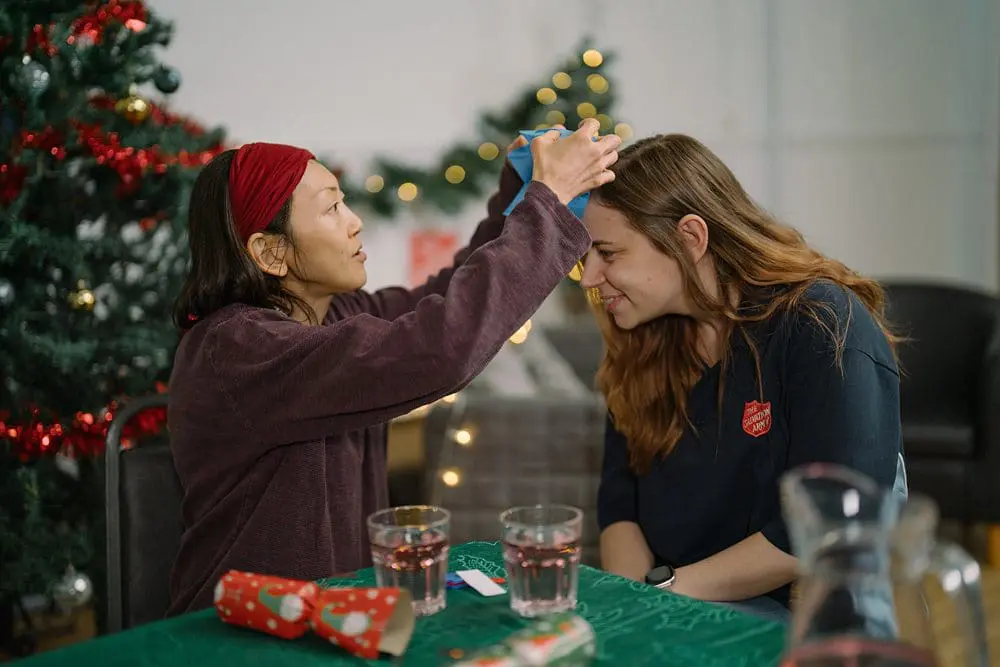
Short films can be powerful for appeals, social media and events, because people hear someone’s story in their own voice. If you need both, combining photography and film in one visit is usually better value than booking them separately. Victoria’s film for The Salvation Army is a good example: read about it in the power of connection in charity photography and filmmaking.
When it might not be worth it
To be honest, professional photography might not be the right choice if:
- you only need a few photos for an internal update
- you don’t yet know how or where you’ll use the images
- there’s no safe or appropriate way to tell the story visually right now
In those cases, a smaller shoot, a short session with models, or waiting until you have a clear plan may be the better option.
How to get the most from your investment
- Plan how you’ll use the images before the shoot.
- Write a clear brief. Here’s how to brief a photographer for your charity campaign, with a free template.
- Choose a documentary approach for real stories. Here’s why documentary photography works for charities.
- Know your budget. Here’s a guide to how much charity photography and filmmaking cost in the UK.
FAQs
Is it better to use stock photos to save money?
Stock photos can work for general illustrations, but they can’t show your real impact. For appeals, case studies and reports, real images of real people are far more convincing.
Can we use AI-generated images instead of a photographer?
For illustrations and concept images, AI can be a useful tool, as long as it’s clearly labelled. But to show the real people your charity supports and the difference you make, AI images can damage trust if supporters feel misled. If real people can’t be photographed safely, working with models, clearly labelled, is usually a more honest option.
Can we use AI-generated images instead of a photographer?
For general illustrations, sometimes. But to show the real people your charity supports and the difference you make, AI images can damage trust if supporters feel misled. If real people can’t be photographed safely, working with models, clearly labelled, is usually a more honest option.
Is it ethical for a charity to use models instead of real service users?
Yes, when it protects people. If being photographed could put someone at risk or cause them harm, working with models is often the more ethical choice. The important thing is to be open about it, with a simple caption such as “Posed by models”.
Can our staff take the photos instead?
For everyday social media, often yes. For campaigns, reports and press, a professional brings consistent quality, a sensitive approach and press-ready files.
How often should a charity book a photographer?
Many charities book one or two planned shoots a year, timed around their annual report or a key campaign, and add smaller shoots for events.
Want to talk about your next campaign? See my charity photography and filmmaking work, or get in touch and tell me what you have in mind.


