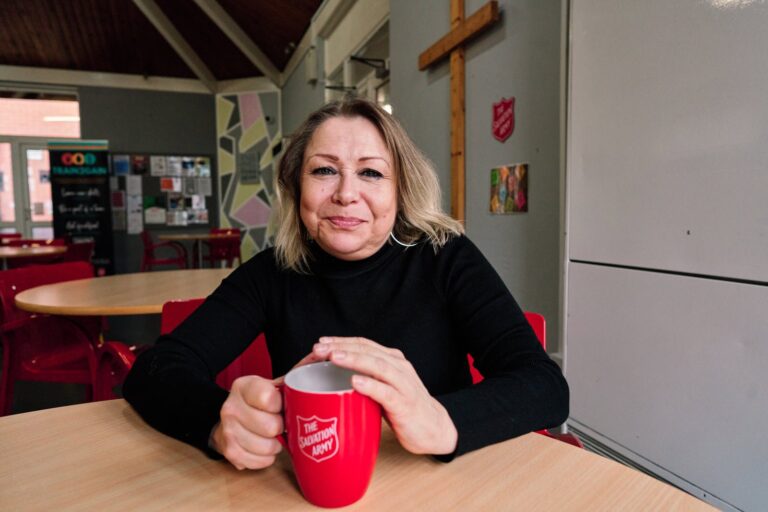
There’s a photograph that most of us have seen. A child, alone, looking directly into the camera. Eyes wide. Dusty surroundings. A charity logo in the corner.
It might prompt a donation. But at what cost — to the child in that image, to their community, and ultimately to the trust your organisation is trying to build?
Ethical storytelling in charity photography and film isn’t a nice-to-have. It’s the foundation of communications that are honest, that protect the people involved, and that actually work — not just in the short term, but over time. Donors, partners, and the public are increasingly attuned to the difference between imagery that empowers and imagery that exploits. Your communications should be on the right side of that line.
This guide is for comms and marketing teams at charities and NGOs who want to think more carefully about how they commission, brief, and publish photography and film. Whether you’re working with communities in the UK or internationally, the principles are the same — even if the context changes.
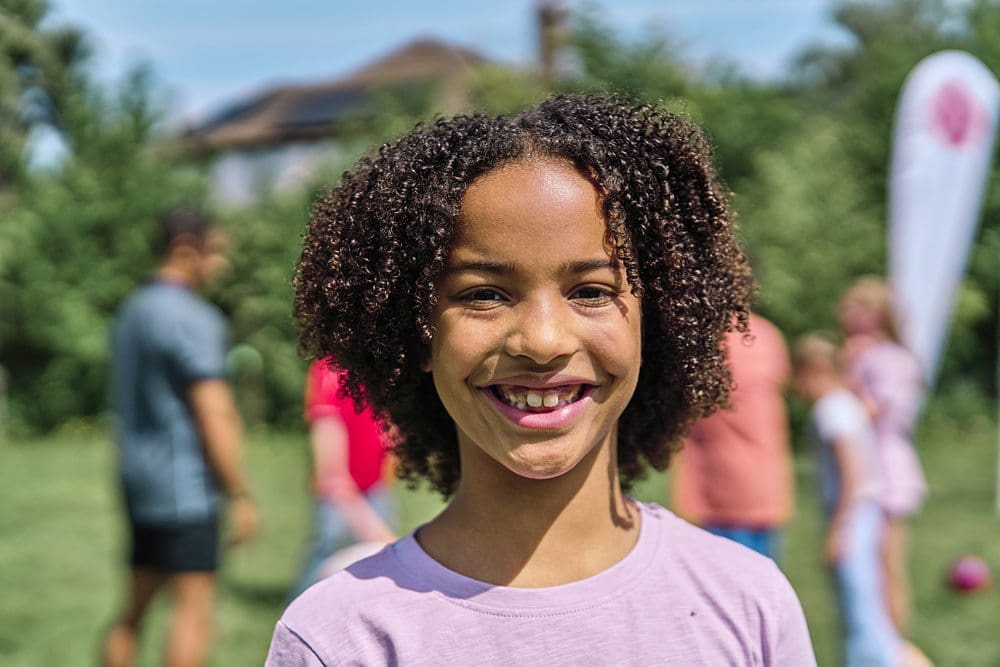
The problem with “impact” imagery
The charity sector has a long history of using distressing images to provoke an emotional response. Suffering, poverty, helplessness — framed to make the viewer feel that a donation is urgently needed.
The research is increasingly clear that this approach backfires. It reduces complex human beings to their worst moments. It strips people of agency and dignity. It can retraumatise contributors. And over time, it erodes public trust — both in the people being depicted and in the organisations doing the depicting.
More than that: it often just isn’t true. It doesn’t show the full picture. The mother in that photograph also laughs with her children, cooks dinner, makes plans. The young man in that film clip is also someone’s best friend, someone with ambitions and opinions and a sense of humour. When we reduce people to their hardship, we’re not telling their story. We’re telling a version of it that serves our communications — and that’s a problem.

What ethical charity storytelling actually looks like
Ethical storytelling doesn’t mean avoiding difficult realities. It means depicting them honestly, with the full humanity of the people involved intact.
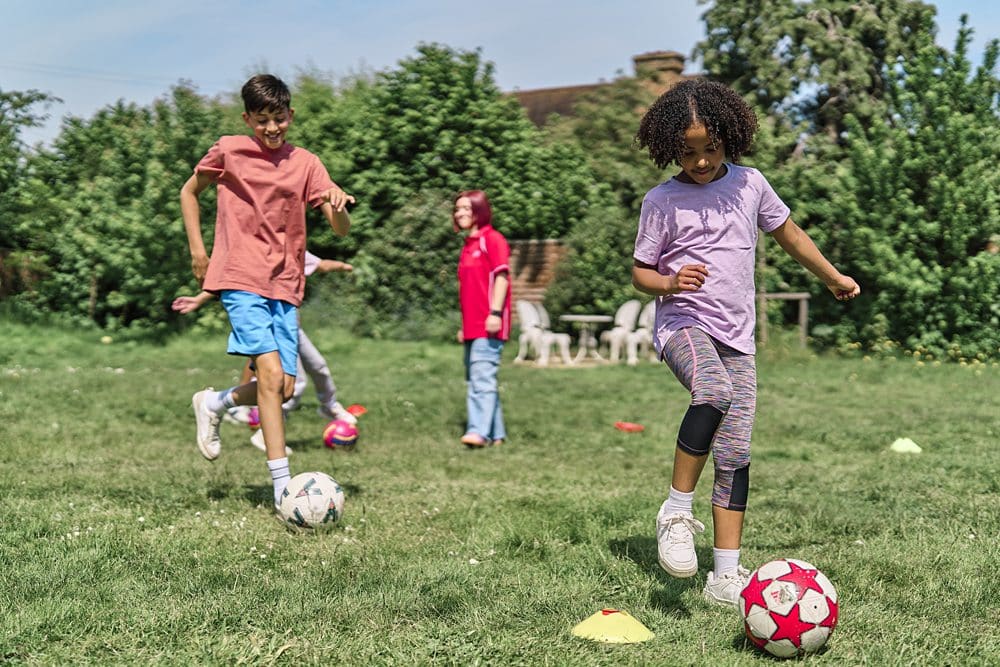
It means showing people as active agents in their own lives — not passive victims requiring rescue. It means including their voices, their words, their perspective — not just their image as a backdrop to your organisation’s narrative. It means capturing the small gestures, the relationships, the everyday moments that make a person’s life real and recognisable.
And it means getting the process right — not just the end result.
How you work with contributors matters as much as what you produce. The relationship between photographer or filmmaker and subject, the time taken to build trust before a camera appears, the care taken around consent — all of this shapes not only the ethics of the work, but the quality of it. The most powerful images and films come from genuine connection and trust. You can’t rush that, and you can’t fake it.
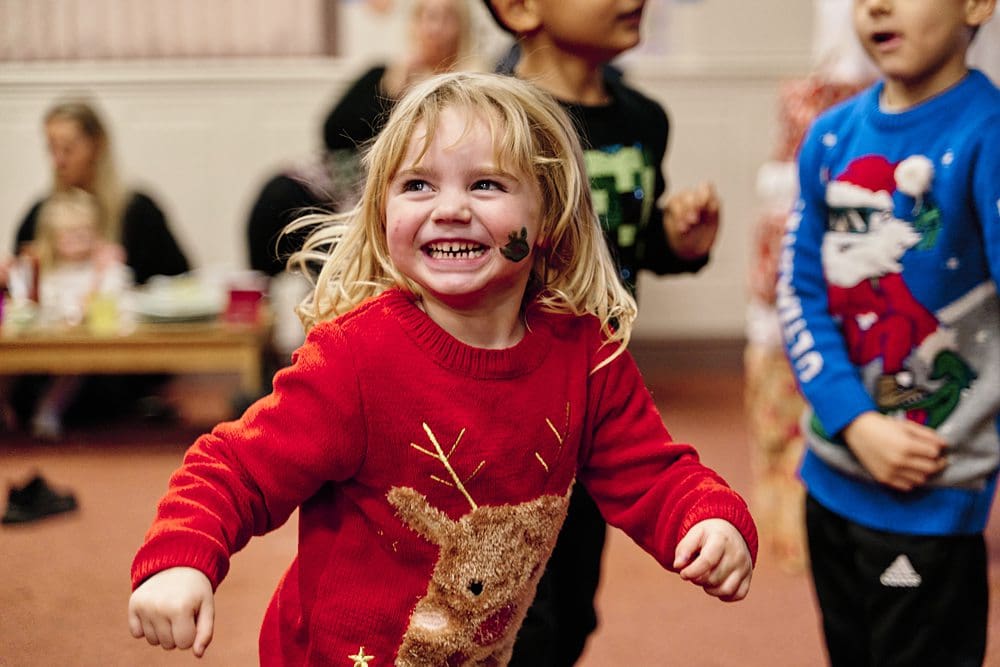
Consent: more complicated than a signature
This is where many organisations, even well-meaning ones, get it wrong.
Consent isn’t a form. It’s an ongoing conversation, and “informed” is the operative word. If a contributor doesn’t fully understand what they’re agreeing to — where their image will appear, who might see it, how long it will be used — it isn’t informed consent. It’s just a signature.
There are layers of complexity here that comms teams don’t always think through. Power imbalances matter: someone receiving services from your organisation may not feel truly free to say no, even if you tell them they can. Age matters: children over 12 should give their own consent alongside a parent or guardian’s. Cognitive ability and trauma matter. And digital literacy matters too — “your photo may appear on our social media” means very little to someone who has never used the internet.
GDPR adds another layer for UK and European organisations. Consent cannot be given in perpetuity — an expiry must be provided. Contributors must be told how to withdraw consent, and withdrawal must be consequence-free and genuinely easy to act on.
Getting consent right takes time and thought. But it’s non-negotiable, both legally and ethically.
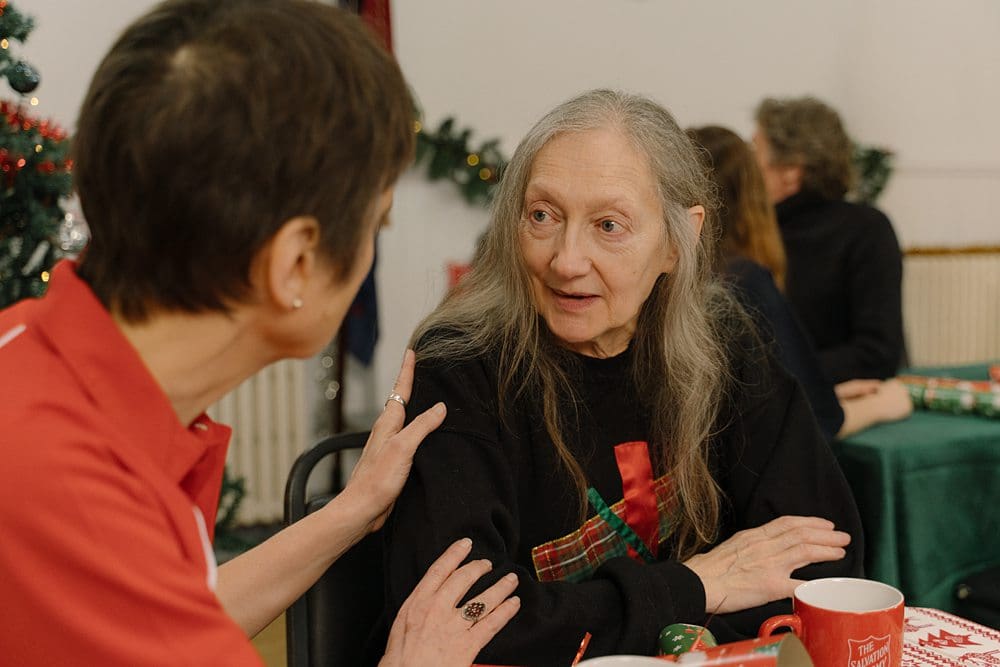
Choosing the right photographer or filmmaker
Not every photographer who has worked with charities has worked with them well. When you’re commissioning photography or film that involves vulnerable people, communities in difficult circumstances, or sensitive stories, the person behind the camera needs more than technical skill.
Look for someone who:
- Has genuine experience working sensitively with people in a range of contexts
- Understands the ethics of representation — not just as a checkbox, but as a core part of their practice
- Will take time to build rapport with contributors before the camera appears
- Can adapt to different cultural contexts, customs, and communication styles
- Understands when a local fixer or community liaison is needed — and welcomes that collaboration
- Knows that the wellbeing of the people they’re photographing or filming always comes before the shot
Ask to see their work. Ask how they approach consent. Ask what they do when something doesn’t feel right on the day. The answers will tell you a lot.
A note on participatory approaches
One of the most powerful and underused approaches in charity storytelling is participatory content creation: supporting contributors to tell their own stories, in their own words, through their own images and films.
This isn’t always possible, and it’s not always appropriate. But where it is, it shifts the dynamic entirely. Contributors become collaborators. The resulting content is often more authentic, more nuanced, and more powerful than anything produced through a traditional commission. And the process itself can be genuinely meaningful for the people involved.
If you’ve never explored this approach, it’s worth asking your photographer or filmmaker whether it might work for your next project.
Before your next project
Ethical charity photography and film isn’t complicated, but it does require intention. It requires choosing the right people to work with, briefing them properly, thinking carefully about consent, and being willing to prioritise the dignity of contributors over the convenience of a striking image.
The good news is that when you get this right, your communications are better for it. More honest. More human. More trusted.
To help you put this into practice, I’ve put together a detailed checklist covering everything your comms team should consider before, during, and after a photography or film project — including a quick-reference summary you can use in briefing meetings.
Download The Ethical Storytelling Checklist Below.
It covers choosing the right photographer or filmmaker, getting consent right, what to look for on the day, and how to think about representation across your communications as a whole. It’s free, it’s practical, and it’s written for comms teams — not photographers.
Saskia is a documentary photographer and filmmaker based in South-East London, working with charities and NGOs across the UK and internationally. Her approach is shaped by a background in Cultural Anthropology and African Studies, and a deep commitment to telling stories with honesty, care, and respect for the people involved.